Cultivators Have Never Disappeared—They Are Right Beside Us!
Are you fascinated by the fantasy worlds in web novels where protagonists soar on flying swords, concoct elixirs, and undergo heavenly tribulations? Do you believe "cultivation" is merely a fictional literary concept? This article reveals a surprising truth: most core settings in those novels originate from China's ancient and authentic Daoist cultivation system. Cultivators are not legends; they have always existed in another form within our culture and tradition, and their wisdom can still nourish modern life today.
I. Cultivation Novels: A Fantasy World Built Upon Daoist Practical Wisdom
The popular tropes in web cultivation novels are not created out of thin air but are artistic adaptations of Daoism's millennia-old cultivation culture.
-
The Origin of Realm Systems: The progression path of "Foundation Establishment, Golden Core, Nascent Soul, Spirit Transformation" in novels directly corresponds to the stages of internal alchemy in Daoism: "Refining Essence into Qi, Refining Qi into Spirit, Refining Spirit to Return to Void, Refining Void to Unite with the Dao."
-
Inspiration for Elixirs and Treasures: Concepts like the "Marrow-Cleansing Pill" or "Nascent Soul Pill" consumed by protagonists stem from terms like "Yellow Sprout" and "Golden Elixir" in Daoist external and internal alchemy theories. The use of magical treasures and talismans is also deeply rooted in Daoist ritual implements and talismanic culture.
-
The Origin of "Heavenly Tribulation": The "heavenly tribulations," especially lightning tribulations that test cultivators in novels, derive from Daoist veneration of "Thunder." Daoist Thunder Methods view lightning as the ultimate Yang and righteous energy of heaven and earth, capable of purging evil and tempering the practitioner's mind.
-
Alignment of Core Goals: Whether it's "ascending to immortality" in novels or "attaining the Dao and becoming authentic" in Daoism, the core is the pursuit of life's transcendence and升华. Daoist "cultivating authenticity" (Xiu Zhen) means "removing the false to preserve the true," seeking the true self and uniting with the Dao.

II. Cultivation in Reality: Exploring Daoism's Four Major Practical Methods
Daoist cultivation does not seek the supernatural powers of novels but is a rigorous method for physical and mental transformation. It can be summarized into four main methods:
-
The Way of the Elixir (Internal Alchemy):
-
Core Concept: Using one's own body as the furnace and cauldron, condensing and refining the three vital energies—Jing (Essence), Qi (Vital Energy), and Shen (Spirit)—into an "internal elixir."
-
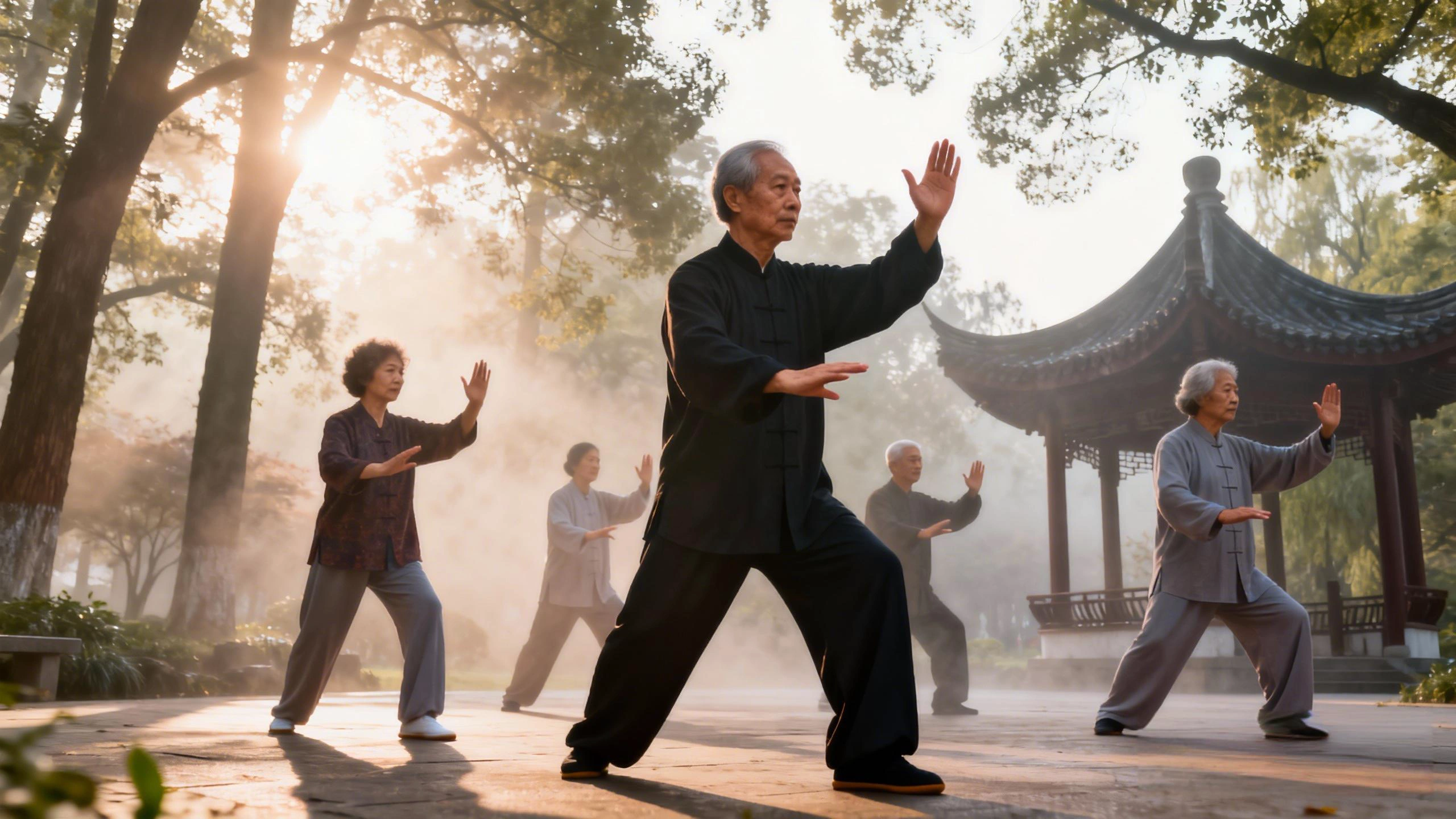
Practice Methods: Through breath regulation, guiding exercises (e.g., Tai Chi), and visualization, achieving "refining essence into qi, refining qi into spirit."
-
Modern Corroboration: Its breath regulation methods share similar effects with modern meditation and mindfulness in regulating the nervous system and reducing stress.
-
-
Cun Si (Visualization and Internal Contemplation):
-
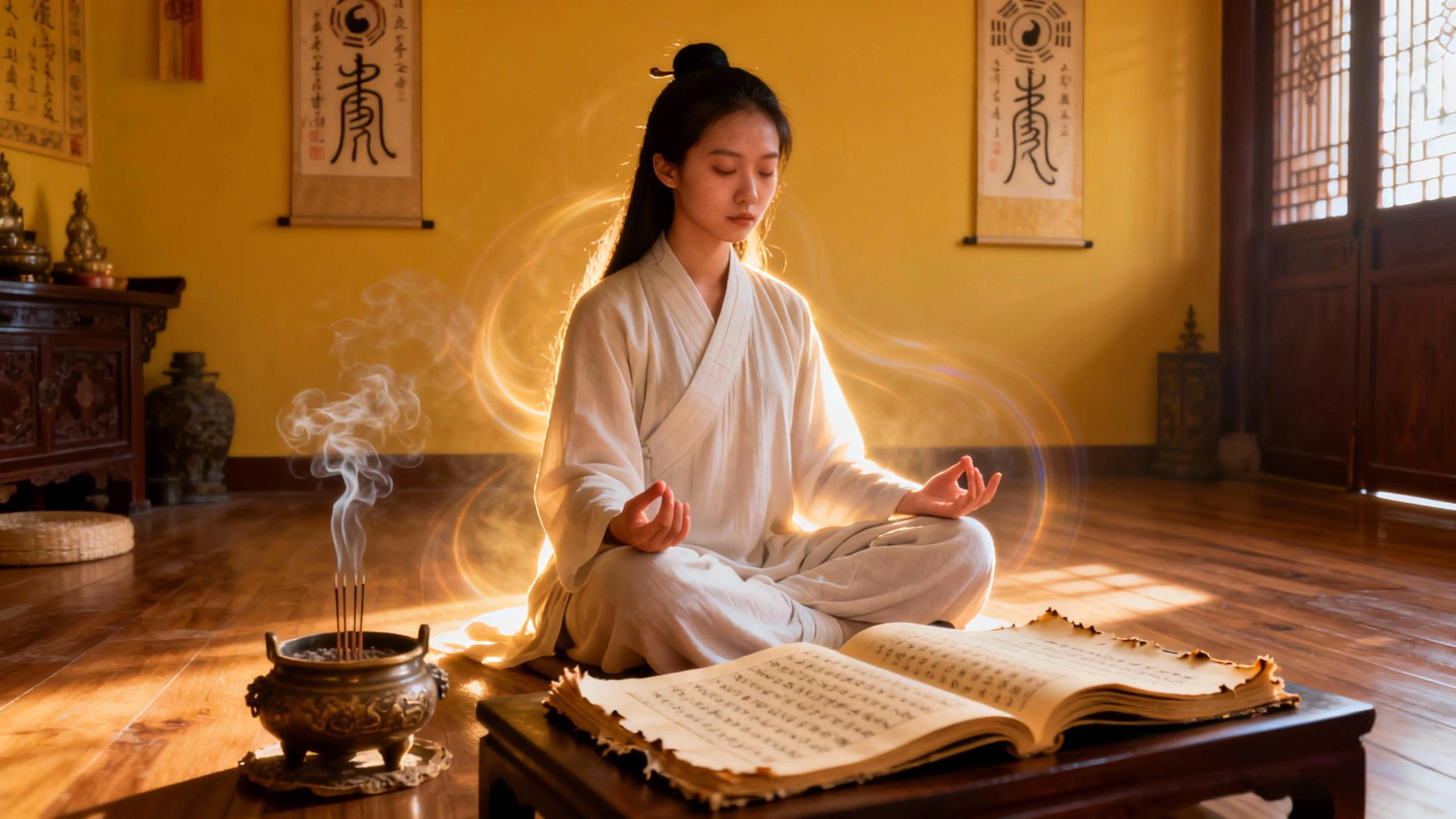
Core Concept: In a state of stillness and concentration, constructing specific sacred imagery (e.g., sun and moon, celestial realms, internal organ deities) in the mind to absorb heavenly and earthly energies and connect with the internal universe.
-
Practice Methods: Such as the "inner landscape" visualization described in the "Yellow Court Canon." This is similar to "positive visualization" training in psychology, capable of influencing emotions and physiological states.
-
-
Fu Qi (Breathing and Nourishing Life):
-
Core Concept: Consciously adjusting the rhythm and method of breathing to absorb the "clear qi" (energy) between heaven and earth, expel "turbid qi" from the body, thereby achieving health preservation and longevity.
-
Practice Methods: Such as the "Six Healing Sounds" breathing technique, using different sounds to vibrate corresponding organs; or pursuing the "deep, long, fine, even" fetal breathing state. This shares principles with yoga's Pranayama.
-
-
Shou Yi (Concentrated Focus):
-
Core Concept: Gathering scattered thoughts, focusing the mind on a single point (e.g., breath, dantian, or a sacred phrase) to achieve high unity and tranquility of spirit.
-
Practice Methods: Sitting in meditation, chanting scriptures, copying texts are all practices of "Shou Yi." It effectively reduces mental distraction, enhances concentration, and leads to a "flow state."
-
III. Modern "Cultivators" Hidden in Plain Sight: Life as the Dao Field
Today's Daoist priests and practitioners may not have flying swords, but they integrate cultivation into daily life.
-
Cultivation in Routine: Daily morning and evening rituals, scripture chanting, and meditation are their methods of diligent practice.
-
Cultivation in Movement: Practicing Tai Chi or Ba Duan Jin are moving exercises to guide qi and blood.
-
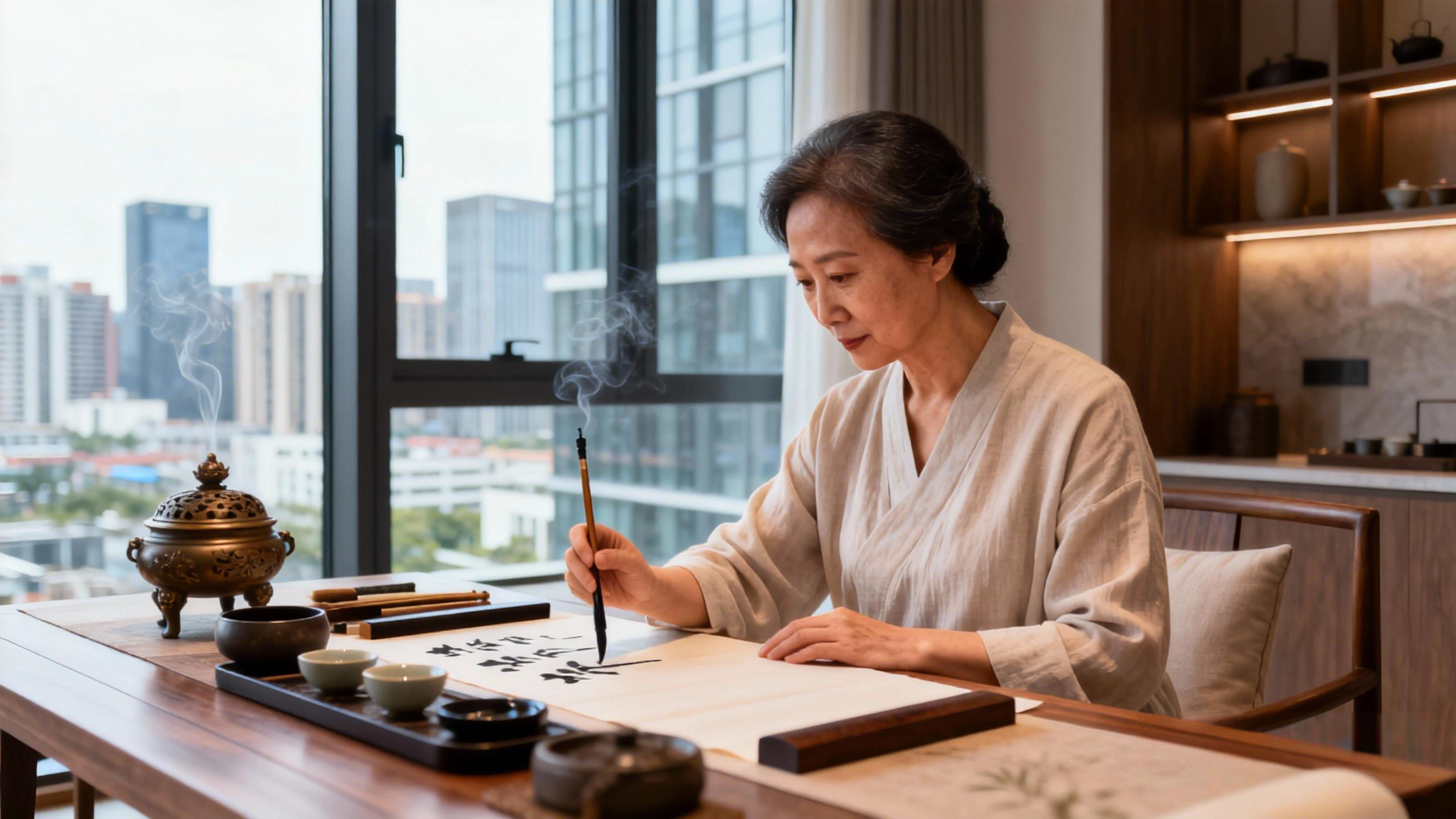
Understanding Dao through Art: Incense burning, playing the qin, calligraphy, painting, perfume making, even cooking can become ways to focus the spirit and comprehend the philosophy of "the Dao follows nature."
Their "cultivation" is reflected in the pursuit of physical and mental harmony and deep insight into the essence of life, not in displays of supernatural skill.