

Did You Know? Taoism Actually Has a Deity Called "Tian Zhu" (Lord of Heaven)!
Mention "Tian Zhu" (Lord of Heaven), and most people immediately think of Catholicism. However, little known is that the term "Tian Zhu" not only has a long history but is also the title of an important deity in China's indigenous religion—Taoism. This article delves into the Chinese origins of the concept of "Tian Zhu," its position and functions within the Taoist belief system, and analyzes relevant classical texts, unveiling this long-overlooked area of cultural overlap.
I. The Chinese Origin of the Term "Tian Zhu": Predating Western Missionaries
"Tian Zhu" is not an exclusive term born of foreign translation but a native concept rooted in Chinese classical texts.
-
Historical Records: It can be traced back to the Western Han historian Sima Qian's "Records of the Grand Historian · Fengshan Book," which records: "Among the Eight Spirits, the first is called Tian Zhu, worshipped at Tian Qi." This shows "Tian Zhu" existed as an object of worship in China's belief system over two thousand years ago.
-
Etymological Root: Its meaning derives from the ancient Chinese saying, "Nothing is higher than Heaven (Tian), nothing more revered than the Lord (Zhu)," meaning "the true lord of heaven and earth, who governs spirits, humans, and all things." Late Ming Catholic missionaries borrowed this existing, lofty Chinese term to translate their "God."
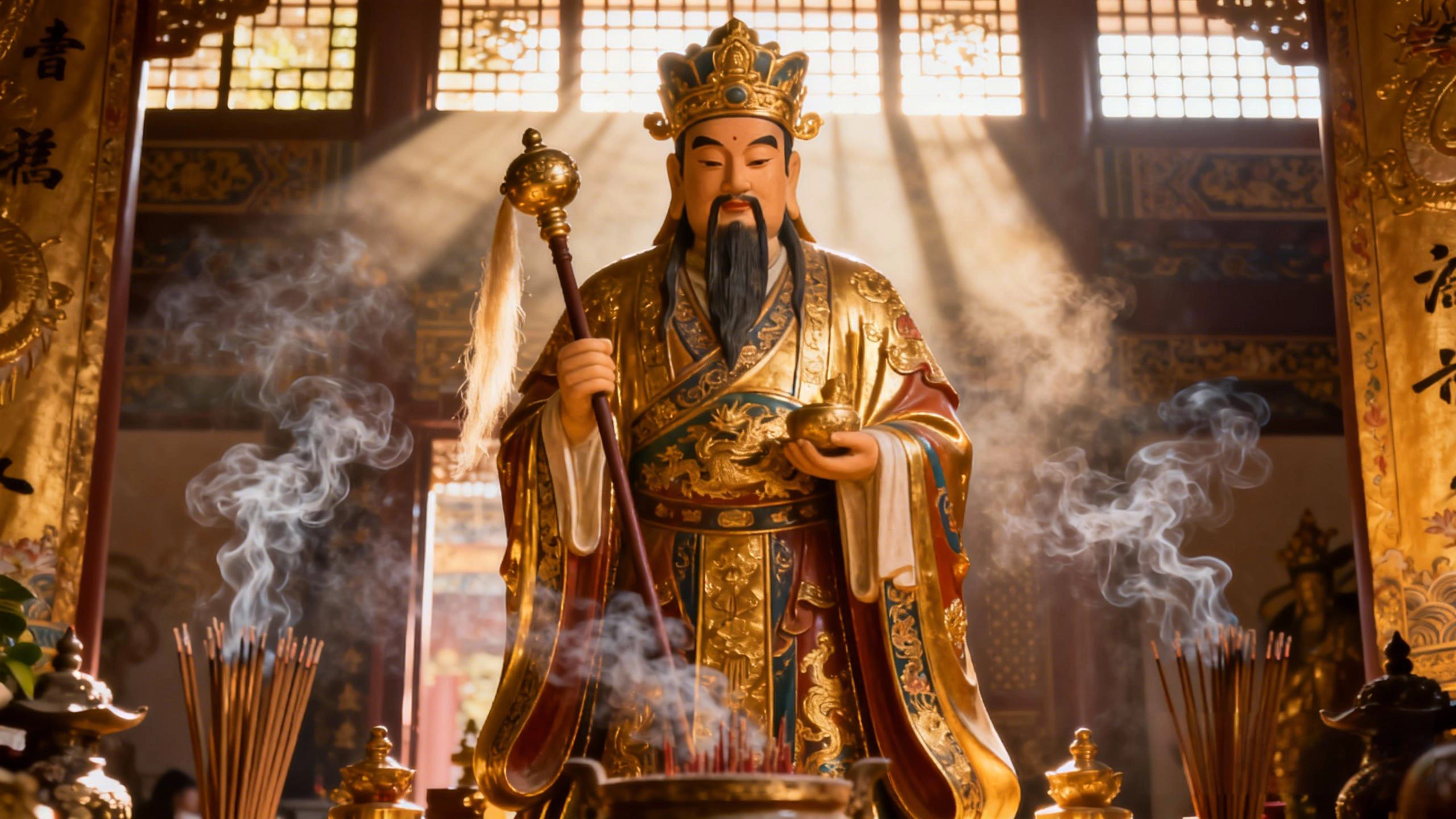
II. "Tian Zhu" in Taoism: A High-Ranking Deity and Inquirer at the Dharma Feast
Within Taoism's complex pantheon, "Tian Zhu" is a venerable deity with specific titles, ranks, and functions.
-
Primary Titles and Rank: His main titles are "Gaoxu Qingming Tian Zhu Di Jun" (Lord Emperor of Gaoxu Qingming) or "Liu Bo Tian Zhu Di Jun" (Lord Emperor of the Six Waves), with full titles like "Inquirer at the Scripture Feast, Gaoxu Qingming, Tian Zhu Di Jun." His rank is exalted, "first among the five grades, residing in the eighth of the nine heavens."
-
Divine Functions and Acts: According to the "High Jade Emperor's Primordial Chronicles" ("Huang Jing"), Lord Emperor Gaoxu Qingming Tian Zhu led his retinue, riding divine carriages, playing celestial music, and scattering treasure flowers to make offerings at the Dharma Feast for the Jade Emperor. He was the first to present verses of praise, addressing the Primordial Honored One and extolling the Supreme God's virtues. This shows his role as the "Inquirer at the Feast," a key deity who communicates and praises the Supreme in high-level ceremonies.
-
Extended Functions: The paean for "Liu Bo Tian Zhu Di Jun" indicates his protective functions: "resisting vast floods, relieving fierce fires," capable of molding all things, governing the primordial unity, and universally bestowing the moisture of the Dharma.
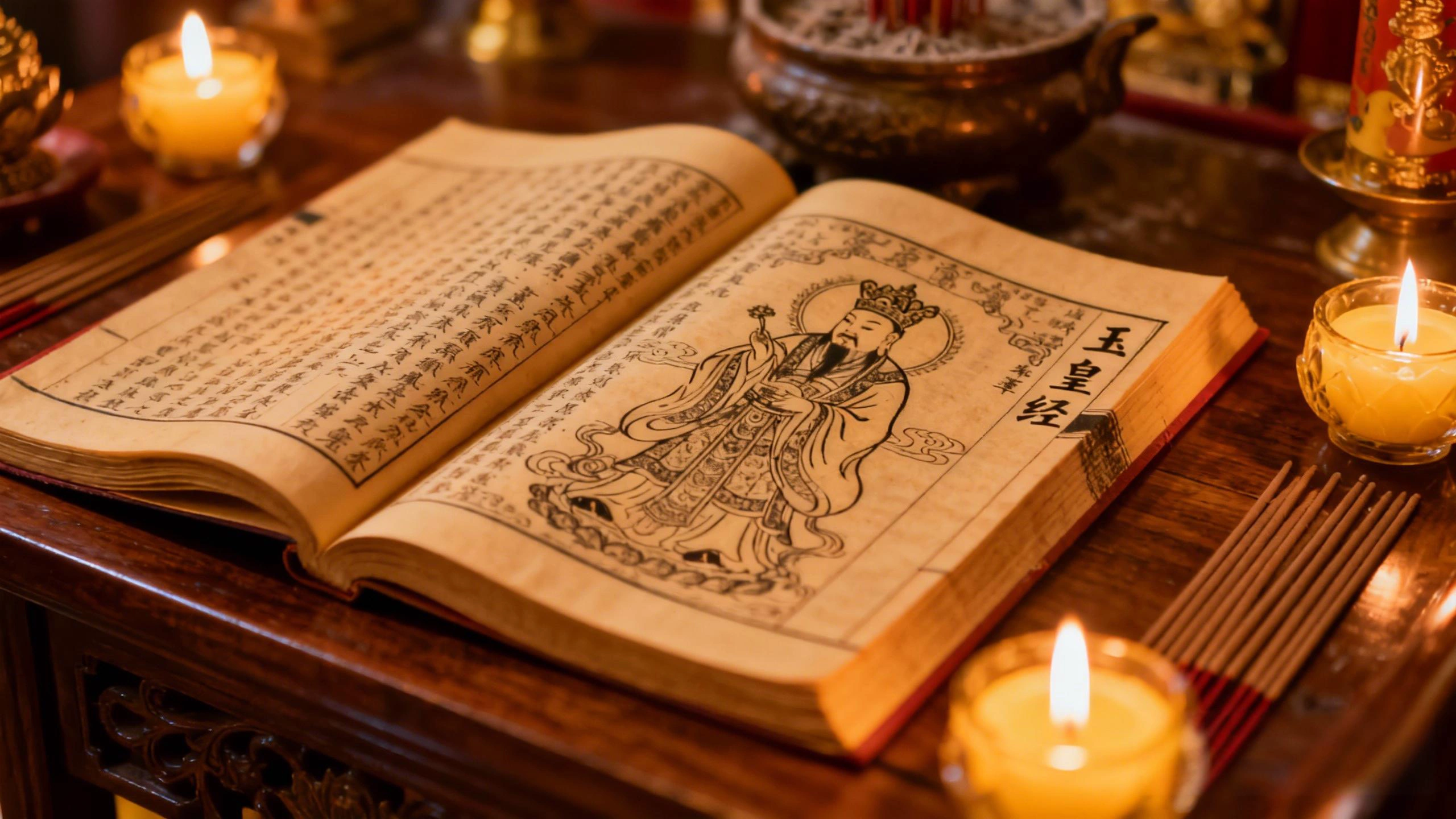
III. Evidence in Texts: Paecans and Rituals
Taoist scriptures and ritual texts fully demonstrate the integration of the "Tian Zhu" belief.
-
Core Scripture: A significant portion of the "Qingwei Heaven Palace Spiritual Powers Chapter" in the "Huang Jing" describes the scene of Lord Emperor Gaoxu Qingming Tian Zhu making offerings and praising the Jade Emperor, including his verses.
-
Collection of Paecans: In the General Paean of the "Jade Emperor Scripture," "Gaoxu Qingming Tian Zhu Di Jun" is listed among the vast pantheon, alongside deities like Jade Void God and Vast Heaven God.
-
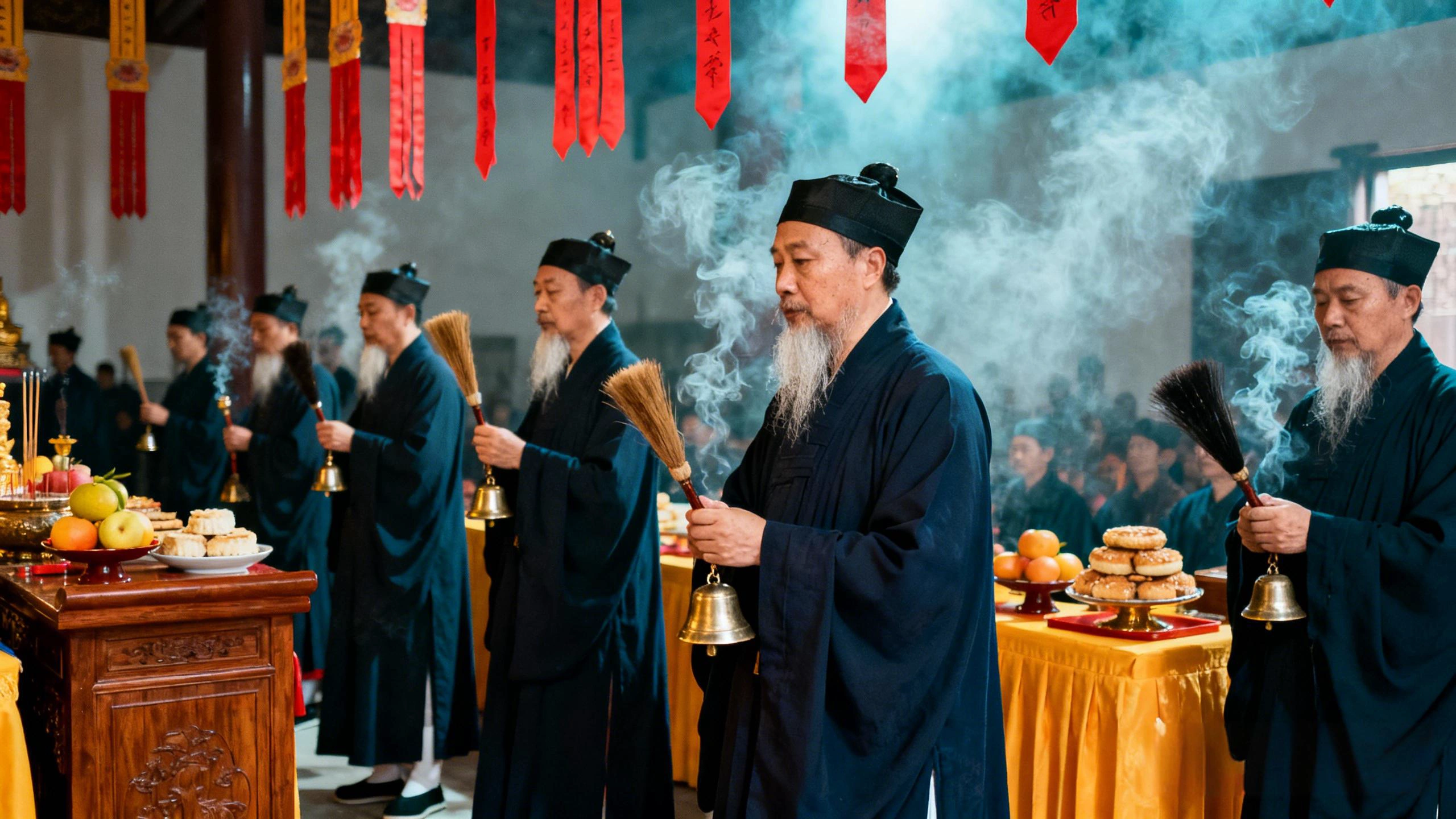
Ritual Application: In Taoist rituals like the "Jade Emperor Noon Audience Liturgy" and the "Orthodox Unity Heavenly Master Ritual · Welcoming the Carriage Liturgy," "Tian Zhu Di Jun" is also invited and praised, an indispensable sacred being in Taoist ceremonies.
IV. Cultural Reflection: The Ownership of "Shang Di" and "Tian Zhu"
This phenomenon prompts reflection on the influence of cultural terminology and "first impressions."
-
The Case of "Shang Di": A similar situation exists with "Shang Di" (Supreme Emperor). It was originally the ancient Chinese term for the highest deity in Confucianism and Taoism (e.g., Taoism calls the Jade Emperor "Mysterious Vault High Shang Di"), later borrowed by missionaries like Matteo Ricci to translate the Christian God.
-
Breaking Mental Sets: Due to the powerful spread of Western religious culture in modern times, "Tian Zhu" and "Shang Di" have almost become their exclusive referents in public perception, overshadowing their original Chinese cultural connotations. This reminds us that when understanding cultural concepts, we must "observe past and present, consult repeatedly," avoiding dominance by preconceived notions.
Conclusion
The existence of "Tian Zhu" in Taoism is a vivid case demonstrating the subjectivity and lexical vitality of Chinese culture. It is not only a key point for studying the history of Sino-Western cultural exchange and religious translation but also an opportunity to remind contemporary people to re-examine the deep veins of their own culture. Understanding Taoist "Tian Zhu" is not about disputing names but about comprehending the richness, inclusivity, and historical continuity of Chinese religious culture more fully. In the context of globalization, this clear understanding of the origins of one's own cultural vocabulary is particularly important.