

Feng Shui: Layouts to Boost Your Child's Academic Luck
Creating a favorable environment for a child's study and rest is every parent's wish. Feng Shui believes that the "form" and "energy" of an environment directly affect the occupant's mental state and fortune. The children's bedroom, as the primary space for daily study and sleep, is particularly important in its layout.
Scientific children's room Feng Shui is not superstition but a method to help children focus on learning, calm their minds, and grow healthily by avoiding negative environmental disruptions and creating a stable, harmonious space. This article focuses on the taboos of the "Form School" (tangible layout) in children's room Feng Shui, providing specific guidance from six key aspects.
I. Environmental Purification: Building a Foundation of Tranquility and Peace
The overall atmosphere of a child's room should facilitate peace of mind and character cultivation, avoiding overstimulation and potential health hazards.
-
Wall Decorations: Avoid overly flashy wallpaper, bizarre/exaggerated cartoons, or violent posters on the walls. Colors should be soft and elegant; avoid overly stimulating colors like bright red or purple to prevent affecting the child's emotional stability.
-
Flooring Choice: Avoid using shaggy carpets. While soft, shaggy carpets easily harbor dust, mites, and germs, which are detrimental to children's respiratory health and may cause allergies or infections.

II. Core Area Arrangement: Key Points for Desk and Bed Positions
The desk and bed are the most crucial pieces of furniture in a child's room; their placement directly impacts the child's study state and sleep quality.
-
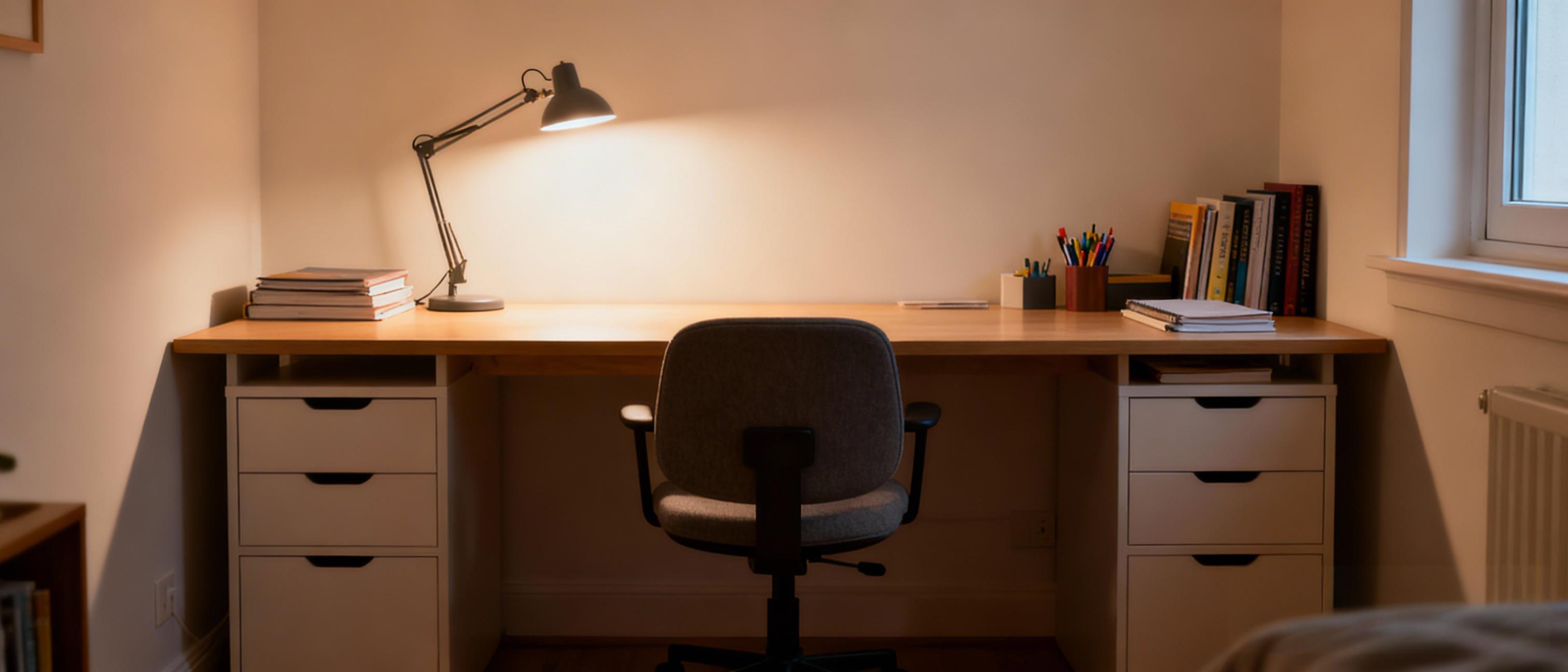
Desk Layout Taboos:
-
The seating position must not have its back to the door, a window, or be against a bathroom wall, as this can cause restlessness and a lack of security.
-
The desktop should not face a bathroom, kitchen, or large window (especially if there is negative energy outside), as it can scatter attention.
-
Avoid having overhead beams directly above the desk and avoid the desk being above a balcony, as this creates a sense of pressure.
-
Best Position: Try to place the desk in the room's Wenchang (Academic) position to enhance study luck.
-
-
-
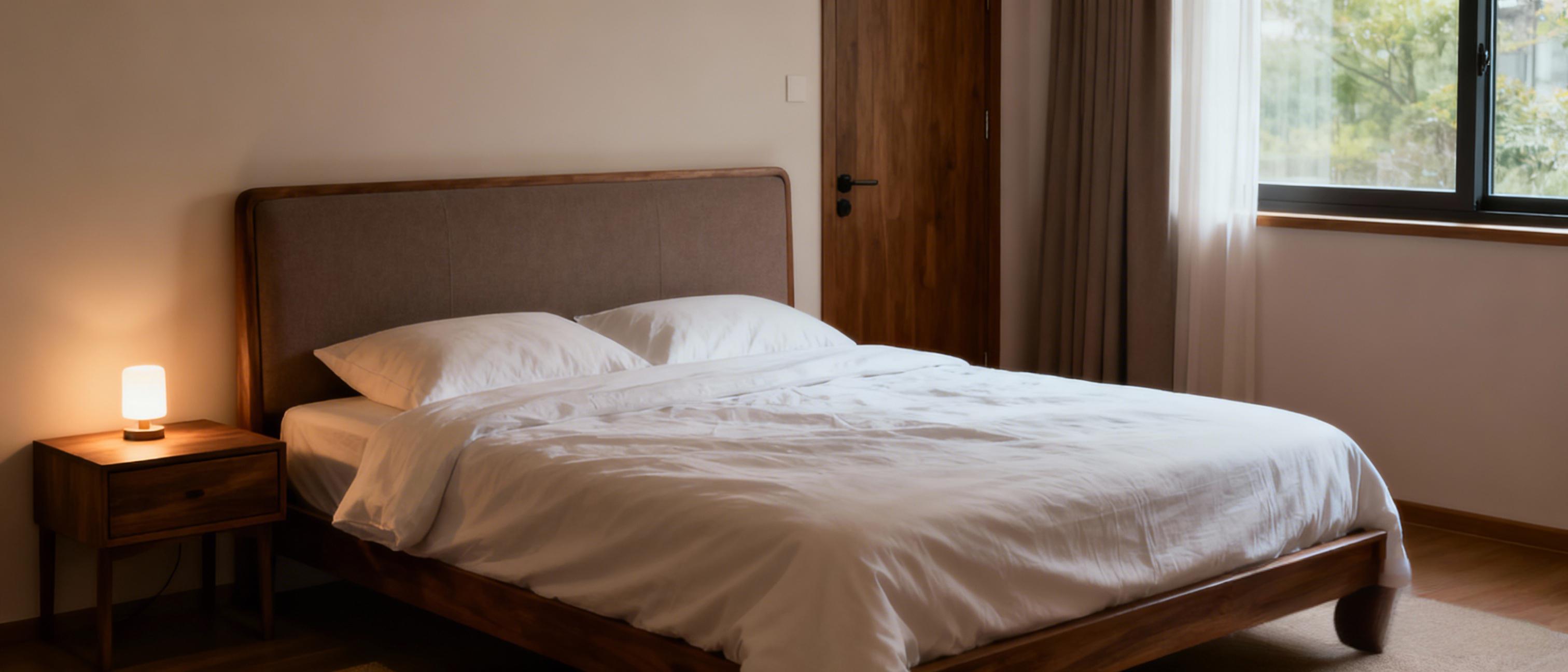
Bed Layout Taboos:
-
The headboard and bed should not have their back to the door, a window, or be against bathroom/kitchen walls.
-
Avoid having beams, stovetops (above/below), toilets, or balconies directly above or below the bed (including corresponding positions upstairs/downstairs).
-
The headboard must absolutely not face external negative forms outside the window (e.g., sharp corners, street lamps, utility poles).
-
-
III. Safety and Stability: Ceiling and Detail Considerations
When lying down, the ceiling is a significant part of a child's field of vision and should promote peace and stability.
-
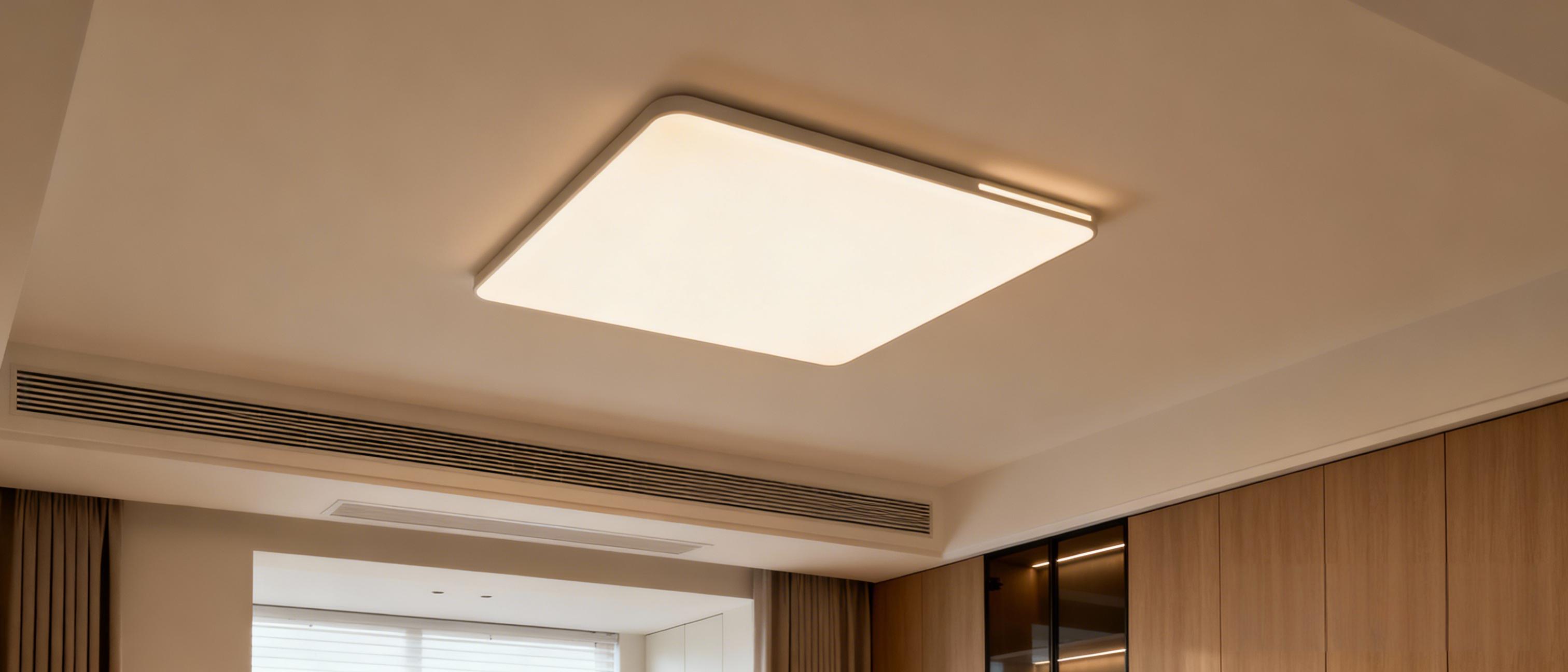
Ceiling Taboos:
-
It should be flat; avoid prominent protruding beams.
-
Avoid using oddly shaped light fixtures or mirrored ceilings to prevent harsh lighting or unsettling reflections.
-
The structure should not be slanted, perforated, or have skylights to ensure the stability and integrity of the space's energy field.
-
IV. External Protection: Resolving Negative External Forms
The influence of the external environment on the interior cannot be ignored and requires active avoidance and resolution.
-
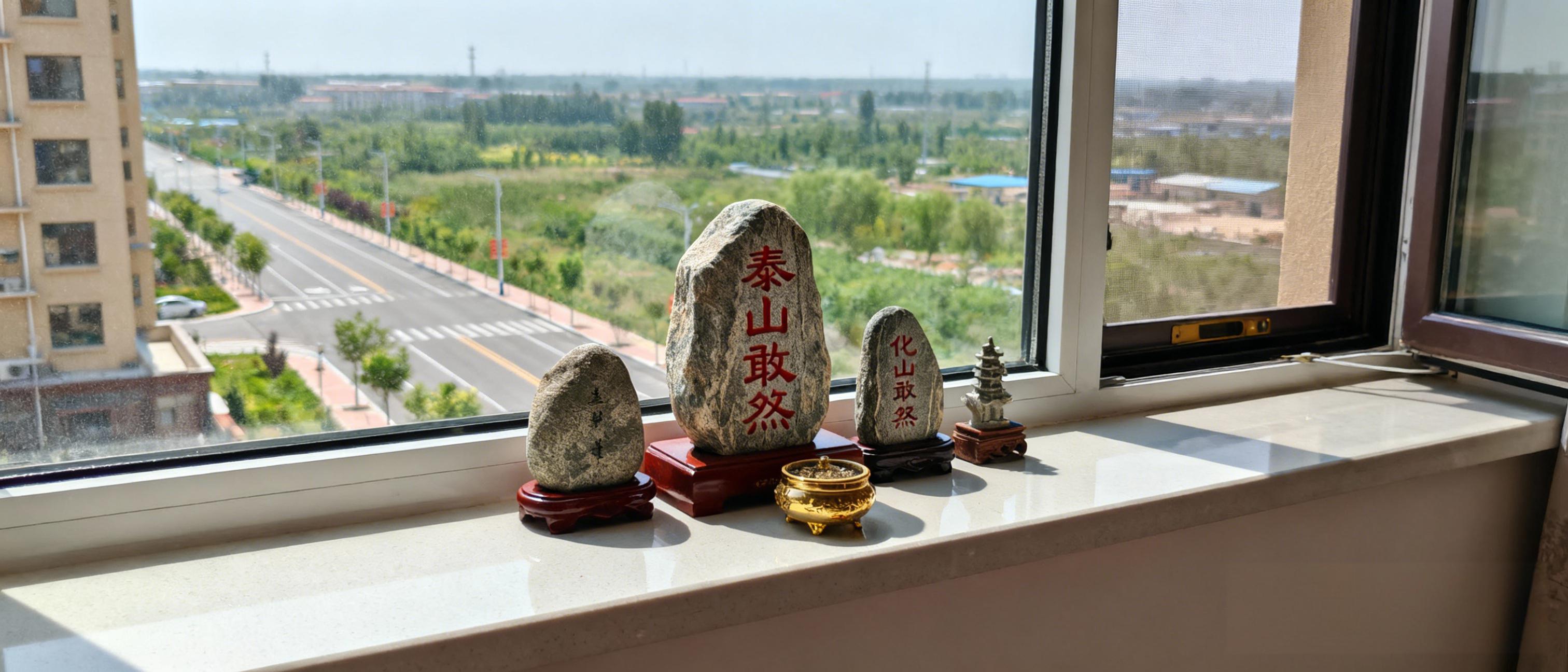
Core Principle: The child's desk and bed positions should avoid directly facing obvious negative external forms visible from the window (e.g., road charges, sharp building corners, high-voltage towers).
-
Resolution Methods: If complete avoidance is impossible, consider placing professional Feng Shui shielding items like Taishan Shi Gandang on the windowsill to mitigate the influence of negative external energy.
Optimizing children's room Feng Shui is essentially about using environmental psychology and spatial aesthetics to remove distractions for the child and create a physical and psychological space that supports focused study and restful sleep. Starting by avoiding these fundamental layout taboos is a solid first step in supporting your child's academic journey.