Is My Marriage a Good Affinity or a Bad Affinity?
When examining marital relationships, the concepts of "good affinity" and "bad affinity" often arise. Rather than obsessing over labeling an existing marriage as "good" or "bad," it is more fruitful to understand the fluid nature of affinities and recognize that through shifts in our own mindset and behavior, we can actively influence and even transform the energetic direction of the relationship.
This article aims to clarify the core definitions of good and bad affinities and offers a practical perspective that transcends judgment, focusing on inner growth to guide us in nurturing marital relationships with greater wisdom and a more positive mindset.
I. Understanding the Two Forms of Affinity: Good and Bad
Marital affinity, regardless of its form, carries underlying energy and karmic pull. A good affinity often brings harmony, nourishment, and impetus for mutual growth. A bad affinity is frequently accompanied by conflict, drain, and karmic lessons that need resolution. The key is to recognize that the manifestation of an affinity is not a fixed, unchangeable destiny. Its essence is dynamic, and its trajectory is deeply influenced by our present actions of "body, speech, and mind."

II. The Wisdom of an Observer: Wishing for Harmony, Ceasing Discord
When facing the marriages of others, we should uphold a fundamental principle of goodwill: For a good affinity, wish for its endurance; for a bad affinity, wish for its resolution. Holding such an intention is itself a virtuous act that accumulates merit.
Conversely, feelings of jealousy or schadenfreude constitute negative intentions that deplete one's own merit. Therefore, under any circumstances, one should refrain from sowing discord and solely wish for harmonious relationships among all people.
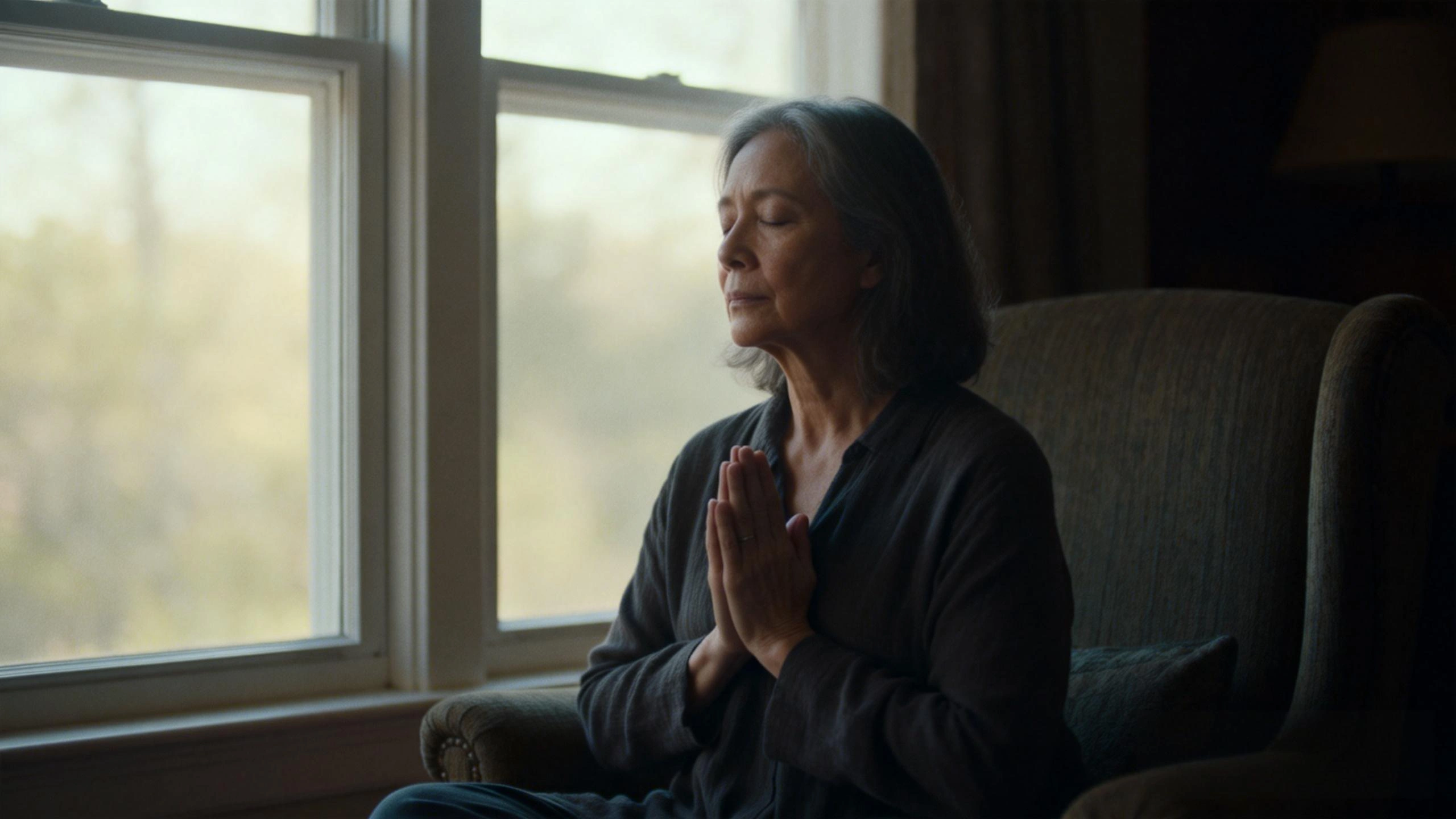
III. The Core Practice for the Practitioner: Seek Good Within, Transform the Affinity
For the individual within a marriage, the most important task is not to label the current relationship as "good" or "bad."
-
Ask Not Good or Bad, But Strive for Goodness: There is no need to overly dwell on "Is my marriage a good or bad affinity?" As long as you wholeheartedly maintain good intentions and make positive efforts, under the principle of dependent origination, the relationship will naturally develop in a positive direction. Even if the current manifestation is unfavorable, continuous good thoughts and deeds can gradually resolve a bad affinity and transform it into a good one.
-
Change Yourself, Not the Other: Attempting to change another person is often futile, but changing oneself is an inherent right and ability of every individual. When you begin to correct yourself, becoming more respectful, tolerant, and less selfish, your actions plant new seeds of good cause. When one party changes, the pattern of interaction and the energy field between spouses change accordingly, and the nature of the affinity transforms.
-
Be Mindful of Daily Actions: Even a relationship that began as a good affinity can continuously generate new bad affinities if one disrespects the partner and indulges in selfish words and deeds in daily life. Conversely, responding consistently with good actions within a seemingly difficult bad affinity repays old debts and forges new good connections.
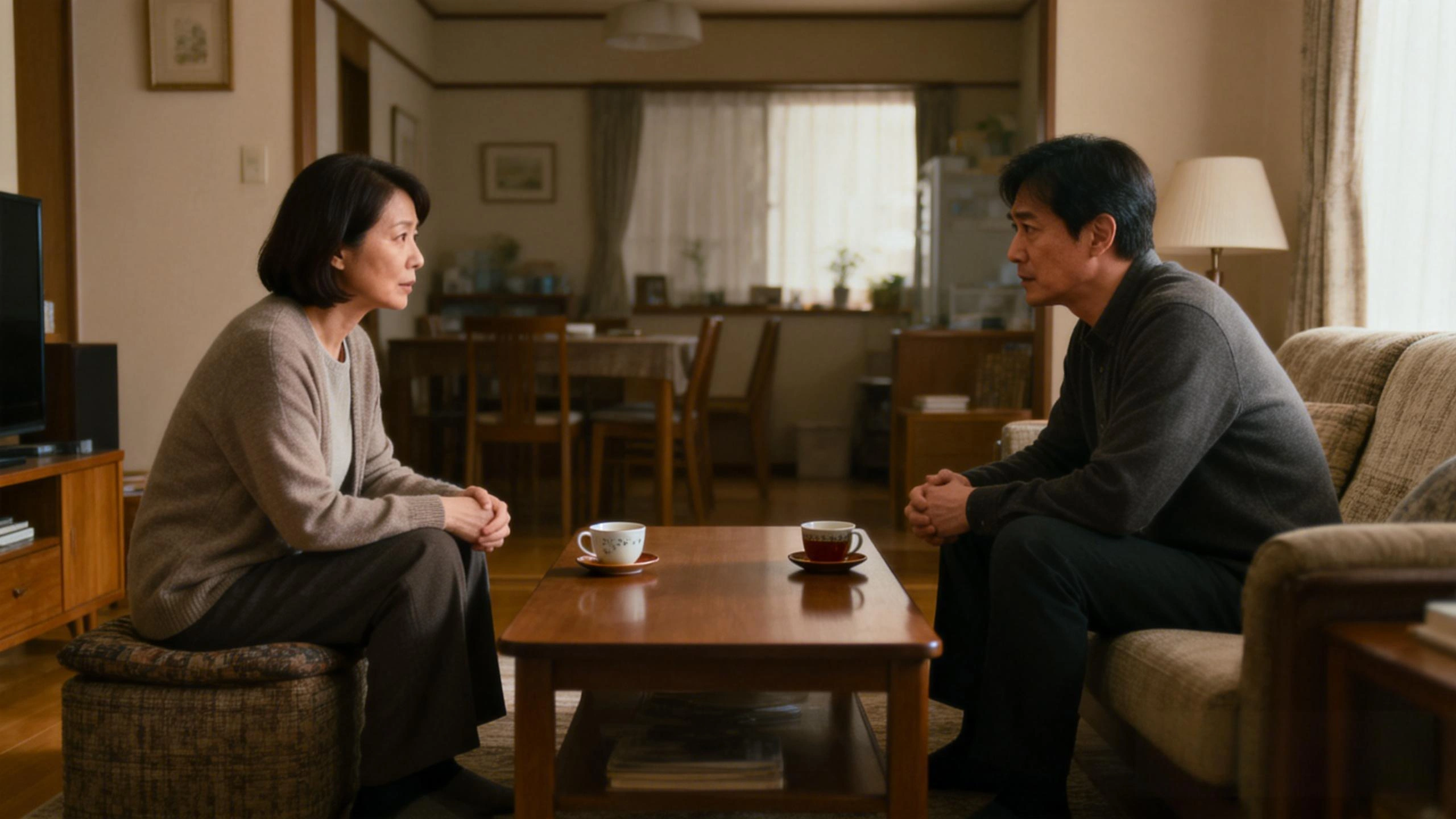
Conclusion: Affinity is a Fluid Creation
The affinity of marriage is not a script with a pre-written ending, but a work co-authored daily by both parties. All conditioned phenomena are impermanent; everything is in flux. Your every thought, word, and action injects new plot and color into this work.
Therefore, instead of asking "Is my marriage a good or bad affinity?" ask "Today, how can I inject more good thoughts and deeds into my marriage?" Shifting the focus from judging the outcome to creating the process empowers you with the core strength to transform affinities and create happiness.