

Is Sandalwood Really Forbidden in Daoism? The Whole Story Behind It!
The claim that “Daoism forbids burning sandalwood incense” is widespread, puzzling many followers and enthusiasts of traditional culture. Yet, sandalwood incense is commonly seen wafting in Daoist temples today. What is the origin of this contradiction? This article examines the origins, evolution, and modern significance of this prohibition by analyzing Daoist scriptures and historical context, presenting a complete Daoist perspective on sandalwood use.
1. Textual Origins: Contradictions Between Prohibitions and Records
-
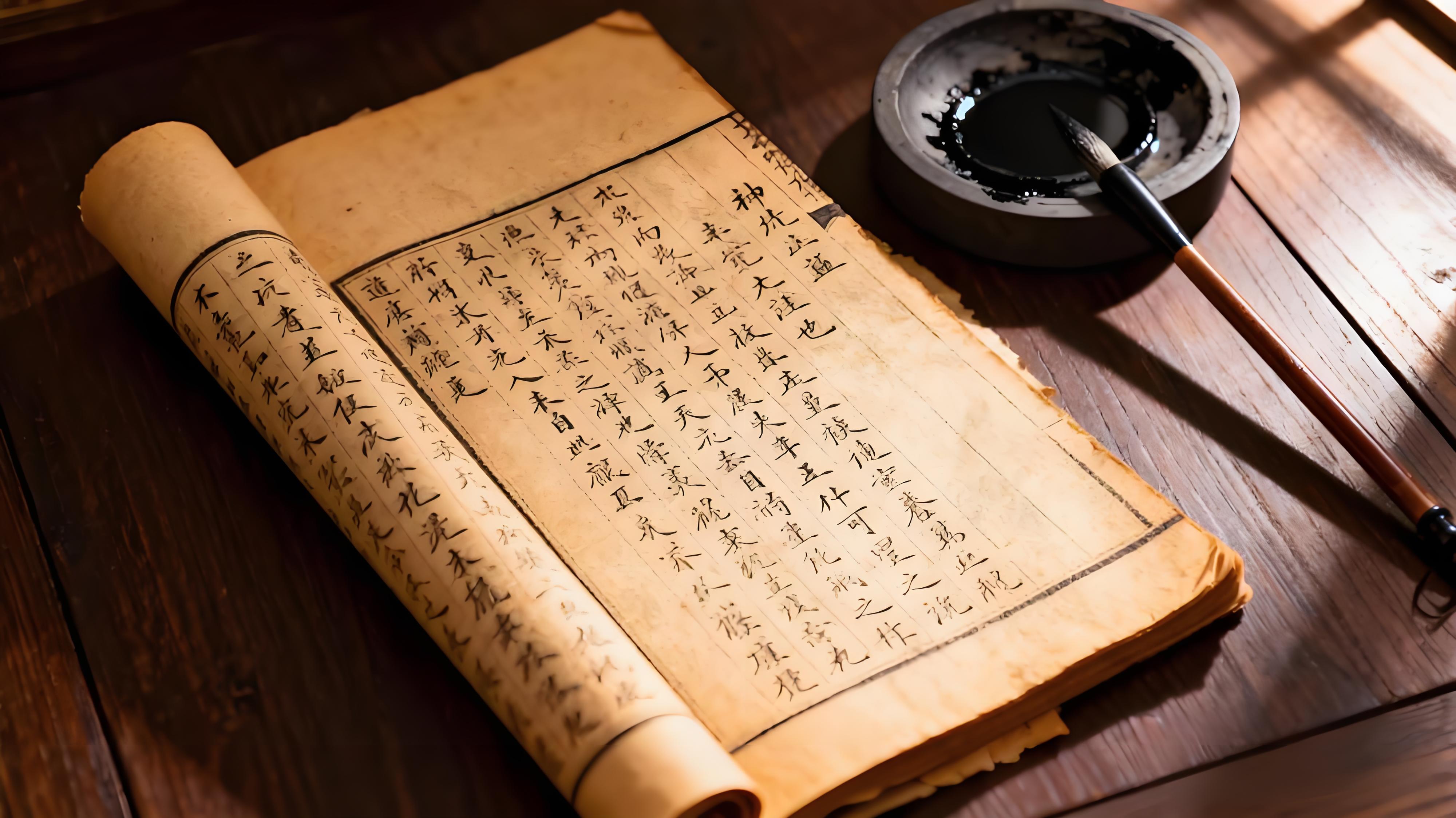
Source of the Prohibition: The often-cited ban originates from the Supreme Mixed Cavern Red Text Female Blue Celestial Statutes within the Daoist Ritual Compendium, forbidding the burning of sandalwood, benzoin, and frankincense in folk rituals, with penalties for violations.
-
Contrary Evidence in Records: However, numerous records in the Daoist Canon support sandalwood use. For instance, the Unsurpassed Secret Essentials (pre-Tang Dynasty) records using sandalwood for bathing, lamp lighting, and incense blending; the Numinous Treasure Liturgical Texts for Salvation (Northern Song) states that the descent of perfected beings is accompanied by the scent of sandalwood. This indicates early Daoism did not absolutely forbid it.
-
Core Conclusion: The stance on sandalwood within Daoist classics is not uniformly prohibitive; its use involves historical and contextual complexity.
2. The Essential Purpose of Incense Burning: Three Core Functions
Understanding incense selection first requires grasping its fundamental purposes in Daoism:
-
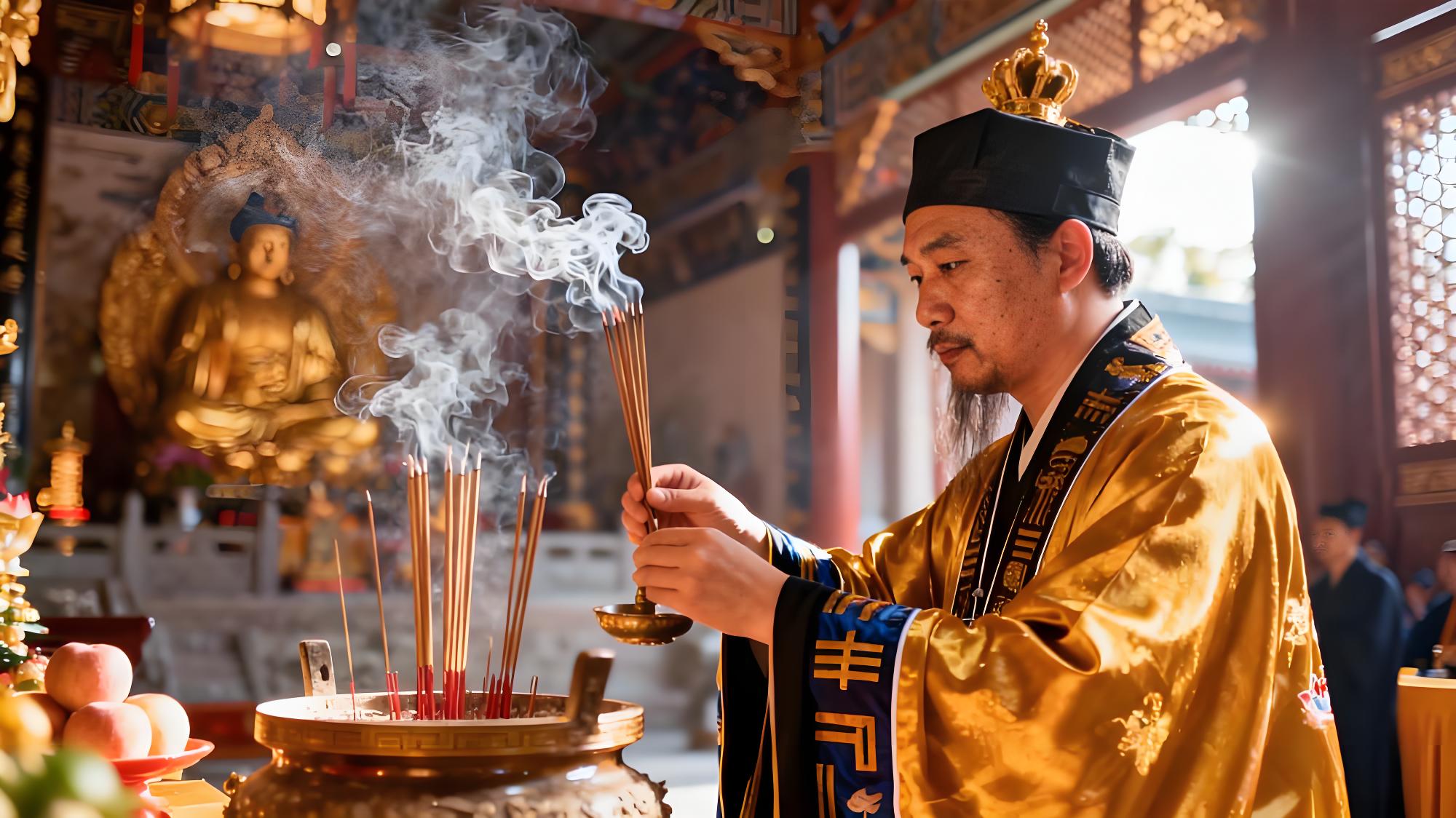
Communication with the Divine: Using incense smoke as a medium to communicate with deities and convey intentions.
-
Sanctification and Offering: Using fragrance to solemnify the altar, make offerings to high perfected beings, and accumulate merit.
-
Calming the Spirit and Regulating Breath: Using fine incense to calm the mind and spirit, aiding in entering states of tranquility and meditative focus.
3. Analyzing the Reasons for "Prohibition" in Historical Context
Prohibitions in texts like the Female Blue Celestial Statutes might stem from these historical factors:
-
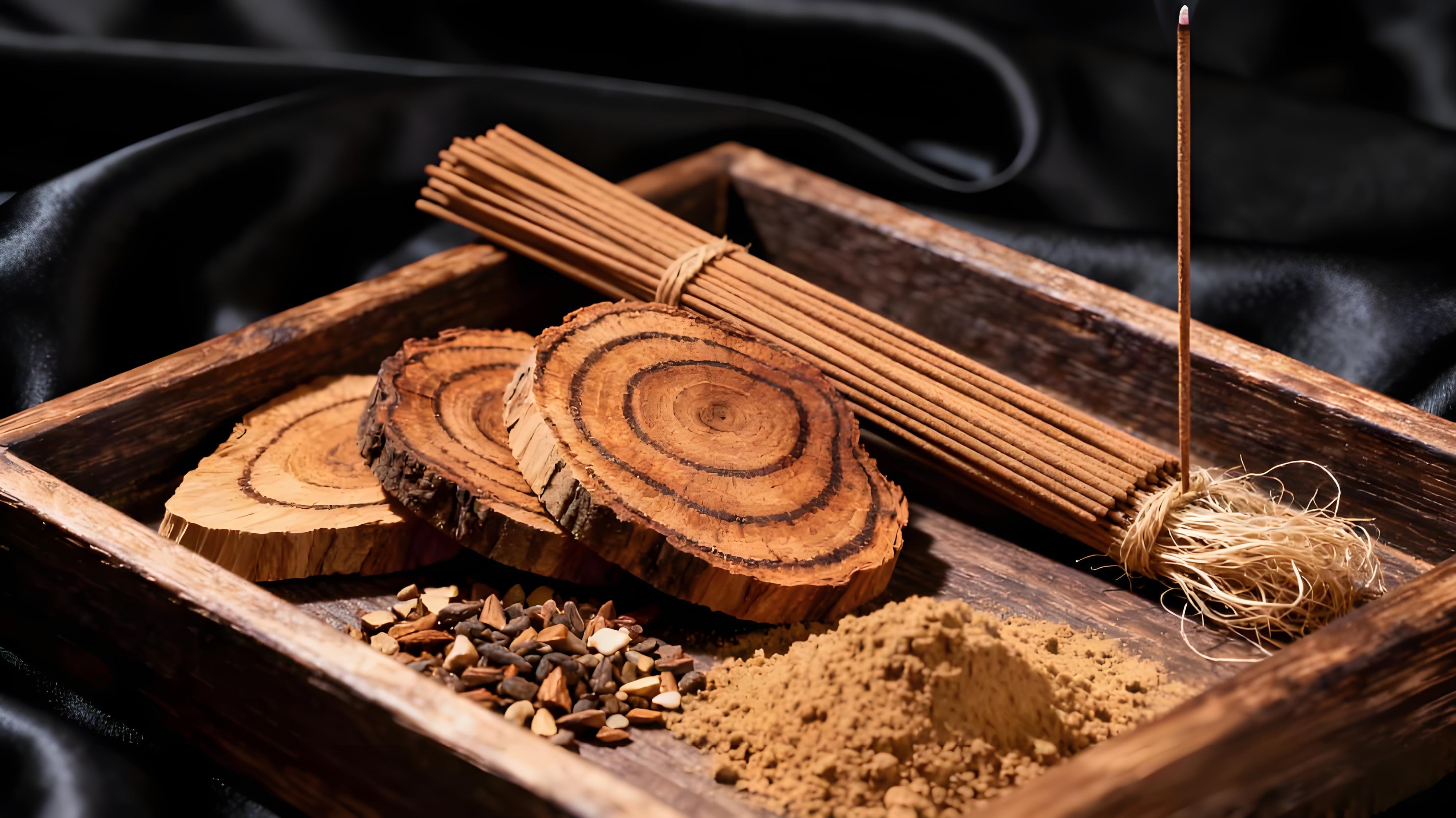
Origin of Production Theory: As sandalwood was an imported spice in ancient times, there might have been an aversion to using products from "foreign lands," though this reasoning is weak.
-
Fragrance Characteristic Theory: Sandalwood's potent, clear aroma was believed to "overpower the scent of other incenses."
-
Impure Material Theory (Core Hypothesis): Historically, especially during the Song and Ming periods, rampant counterfeiting existed. Sandalwood from dismantled aristocratic homes or furniture might have been recycled into "impure incense." Worse, discarded materials like "scented paste" from palace walls (e.g., waste from sandalwood-plastered walls in the Qing Dynasty) could have been made into inferior incense. The ban likely targeted these impure, "fake sandalwood" products.
-
Key Corroboration: Many classics specify the use of "white sandalwood" or "genuine sandalwood," implying the prohibition targeted adulterated and impure sandalwood, not high-quality sandalwood itself. Important Daoist rituals and implements (e.g., seals, tablets) still explicitly required white sandalwood.
4. Modern Enlightenment: What is "Suitable Incense"?
For contemporary practitioners and incense enthusiasts, the true principles are:
-
Quality First, Reject Counterfeits: The core taboos are "impurity" and "falseness." Focus on whether incense is natural, pure, and properly made, rather than fixating on the name "sandalwood." Chemical incense is far more harmful than natural sandalwood.
-
Sincerity is Fundamental: The essence of burning incense lies in sincere reverence, not attachment to specific materials. As the saying goes, "Incense arises from a sincere heart; smoke comes from faith."
-
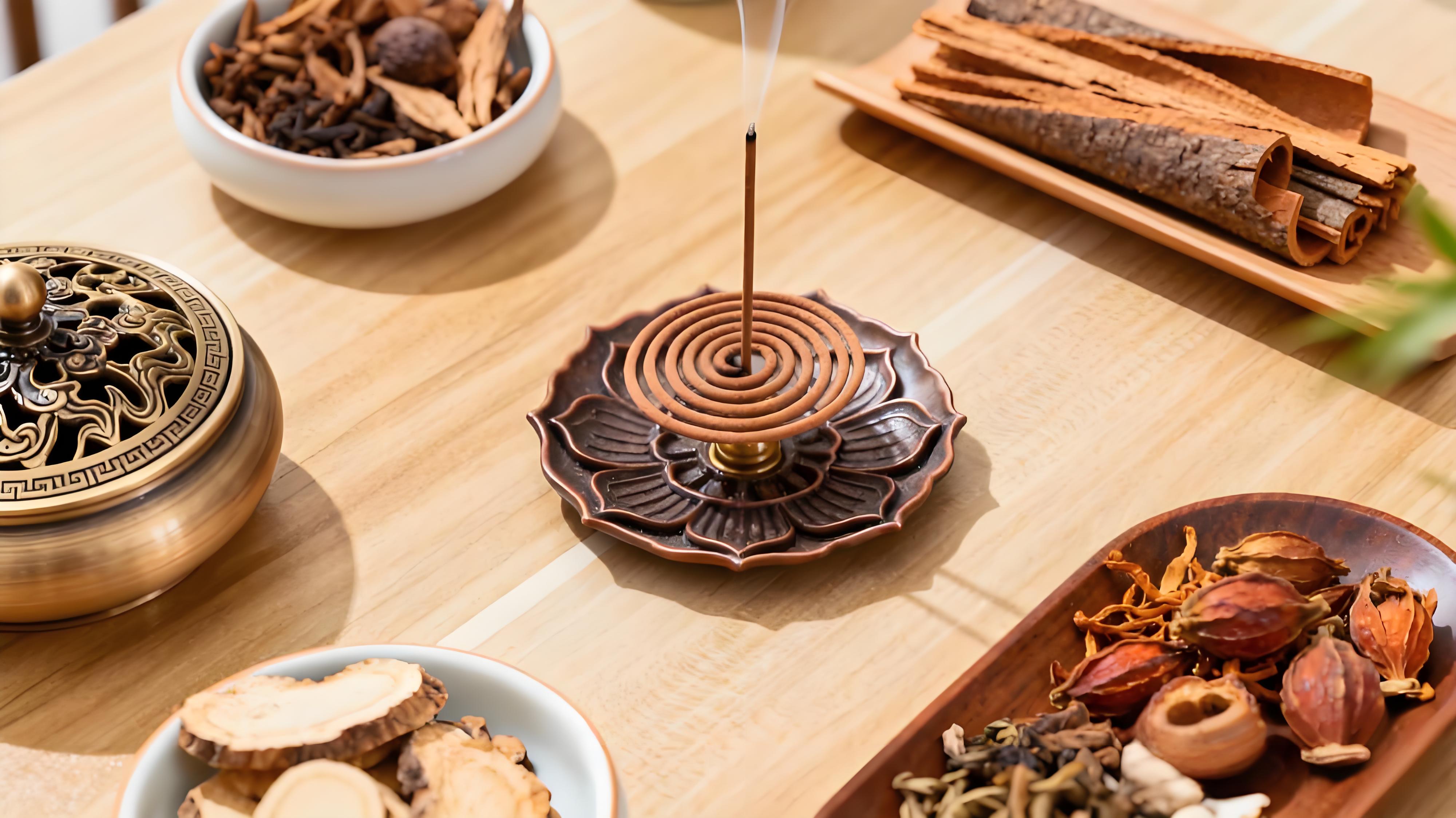
Practical Advice: Choose incense with a natural, pleasant, non-irritating fragrance. If one can ensure the use of pure, natural, and uncontaminated sandalwood, its use in Daoist practice is not fundamentally contradictory.
In summary, "Daoism forbids sandalwood" is a notion that requires historical understanding. Its original intent was to preserve ritual purity and reject impure products from historical commercial fraud. Today, we should grasp its spiritual core: advocate sincerity, use genuine incense, and pursue purity and reverence in both inner and outer practice.