New Year Temple Visit Guide: Proper Ways to Address Taoist Masters and Essential Etiquette Taboos
01 How to Properly Address Taoist Masters
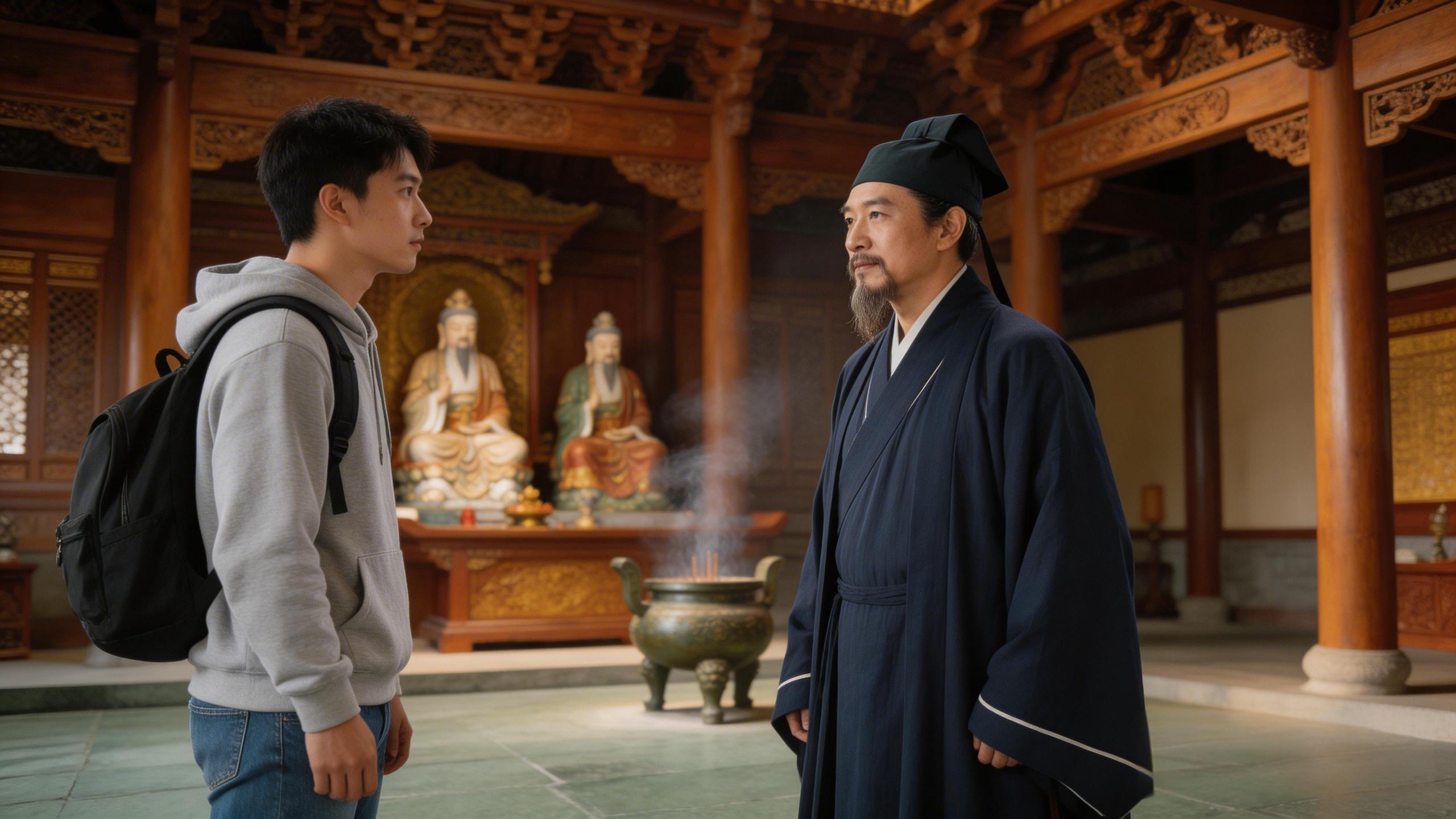
When encountering Taoist masters in the temple, address them respectfully as "Daozhang" (Taoist Master), "Xianzhang" (Immortal Master), "Fashi" (Dharma Master), "Shifu" (Master), or by their titles such as "Zhuchi" (Abbot) or "Jianyuan" (Supervisor). Elderly masters can be called "Daoye" (Taoist Elder). If you know their surname, you may call them "Surname + Ye" regardless of gender. Lay practitioners should not address masters as "Daoxiong" (Taoist Brother) or "Shixiong" (Fellow Disciple), nor should they put arms around their shoulders.

02 Proper Greetings
When greeting a Taoist master, never say "Wuliang Tianzun." Complete titles like "Duren Wuliang Tianzun," "Fusheng Wuliang Tianzun," or "Gongde Wuliang Tianzun" are used. Saying only "Wuliang Tianzun" is like calling out "Hey, that immortal over there!" It is inappropriate. Taoists usually greet each other with "Daoyou Hao" (Greetings, Taoist friend) or simply "Cibei" (Compassion).
03 Performing the Taoist Salute (Dao Li)
When meeting a master, perform the Dao Li, similar to the traditional Chinese bow with hands clasped. The gesture: right thumb presses the tip of the right middle finger (wu point), left thumb inserts through the right tiger's mouth and presses the base of the right ring finger (zi point). The other four fingers of the left hand wrap outside, with left hand outside, right hand inside, symbolizing yin embracing yang.
04 "Three Not to Ask" During Conversation
While conversing with a master, refrain from asking:
-
Age: Taoists cultivate longevity and avoid discussing age.
-
Secular matters (for Quanzhen Taoists): Do not inquire about family, hometown, or lay names.
-
Cultivation level: Do not ask about their spiritual attainment or magical skills.
05 Rules When Seeking Services
If you request divination, healing, naming, or date selection from a master, never question their ability (e.g., "Can you really get it right?") or doubt the result afterward (e.g., "Is this real?"). Taoists do not speak falsely; if they agree to help, they have confidence. Also, "Dao does not go empty" — you must offer proper compensation; otherwise, the effort may be ineffective.
06 Conduct Inside the Temple
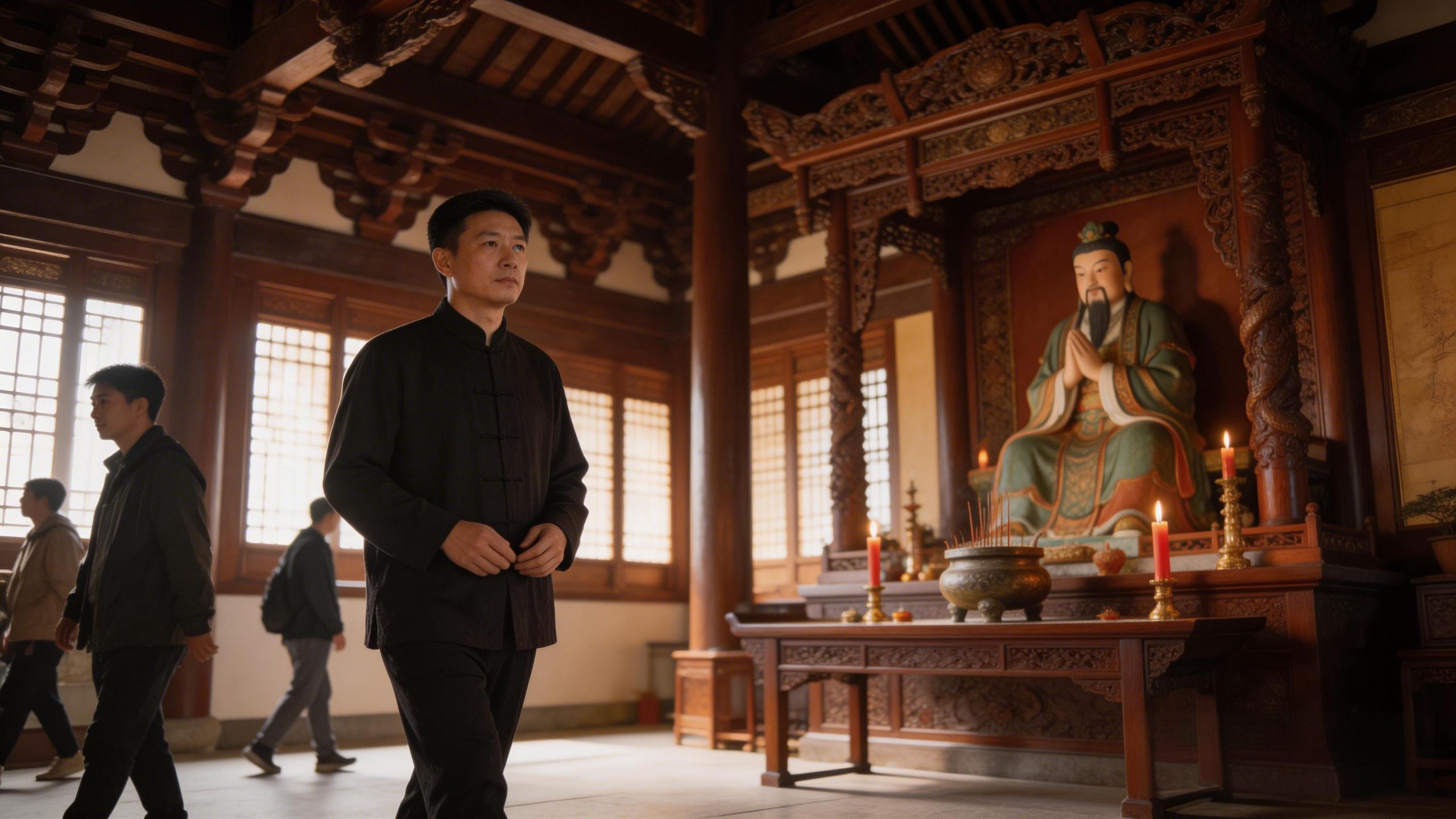
Maintain silence in the temple; do not shout, laugh, or play. During rituals, you may kneel and bow to the deities, but noise or frivolity disrespects Taoism, the ceremony, the masters, and the gods. Smoking and entering drunk are prohibited. Couples should not hold hands, hug, kiss, or flirt.
07 Disciple-Master Etiquette
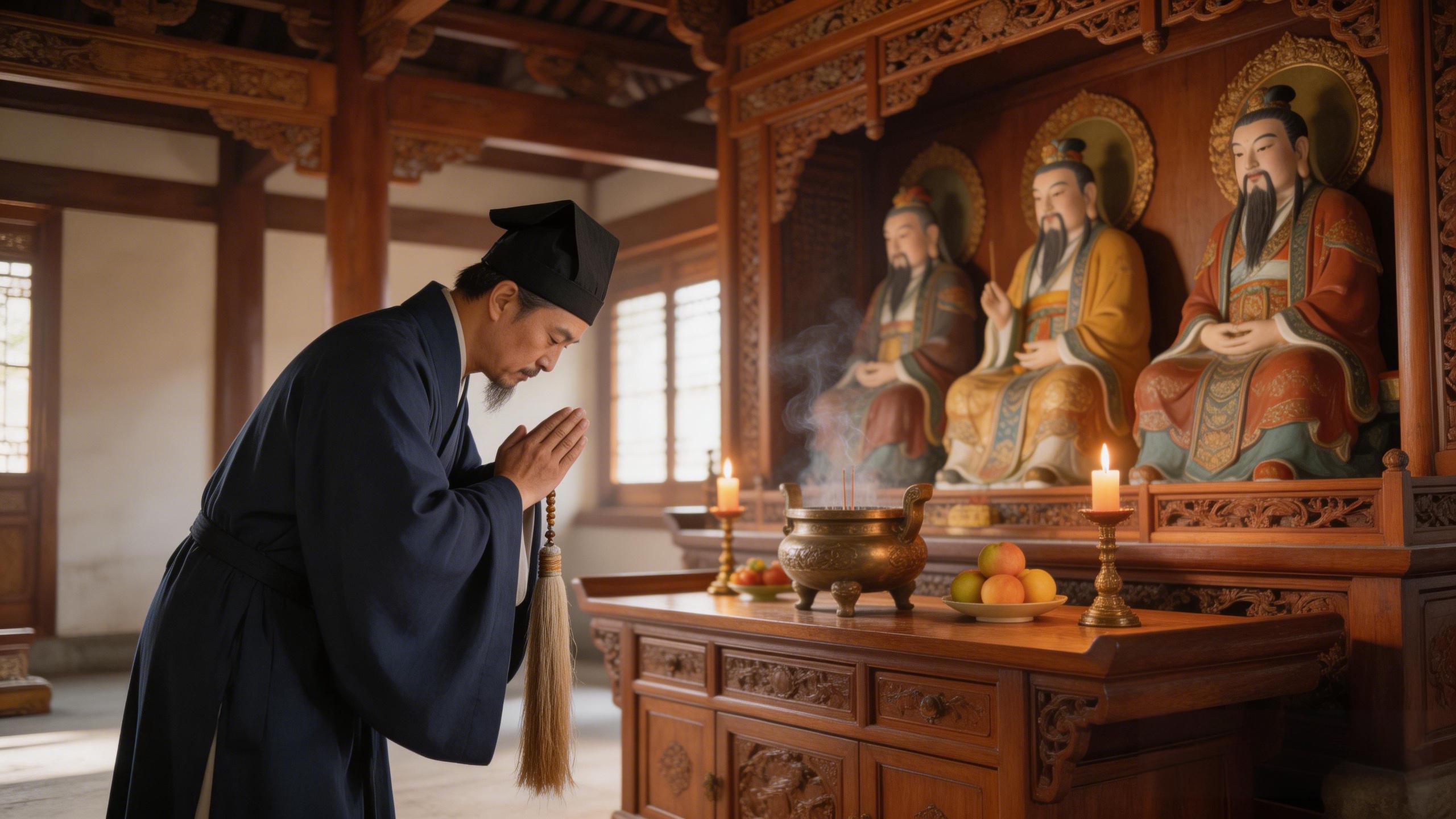
If you haven't seen your master for a long time, perform a kneeling bow to pay respects. Before a long departure, disciples should also bow to show gratitude. On festivals or when reuniting after long separation, disciples should offer support (according to their means) to their root master.
08 Respecting the Names of Patriarchs
Never directly utter the personal names or style names of patriarchs in conversation. For example, Patriarch Lü Dongbin should be addressed as "Lü Zu," "Chunyang Zhenren," etc. During rituals, use formal titles like "Chunyang Fuyou Dijun," "Xingxing Miaodao Tianzun."
09 Preparations Before Entering the Temple
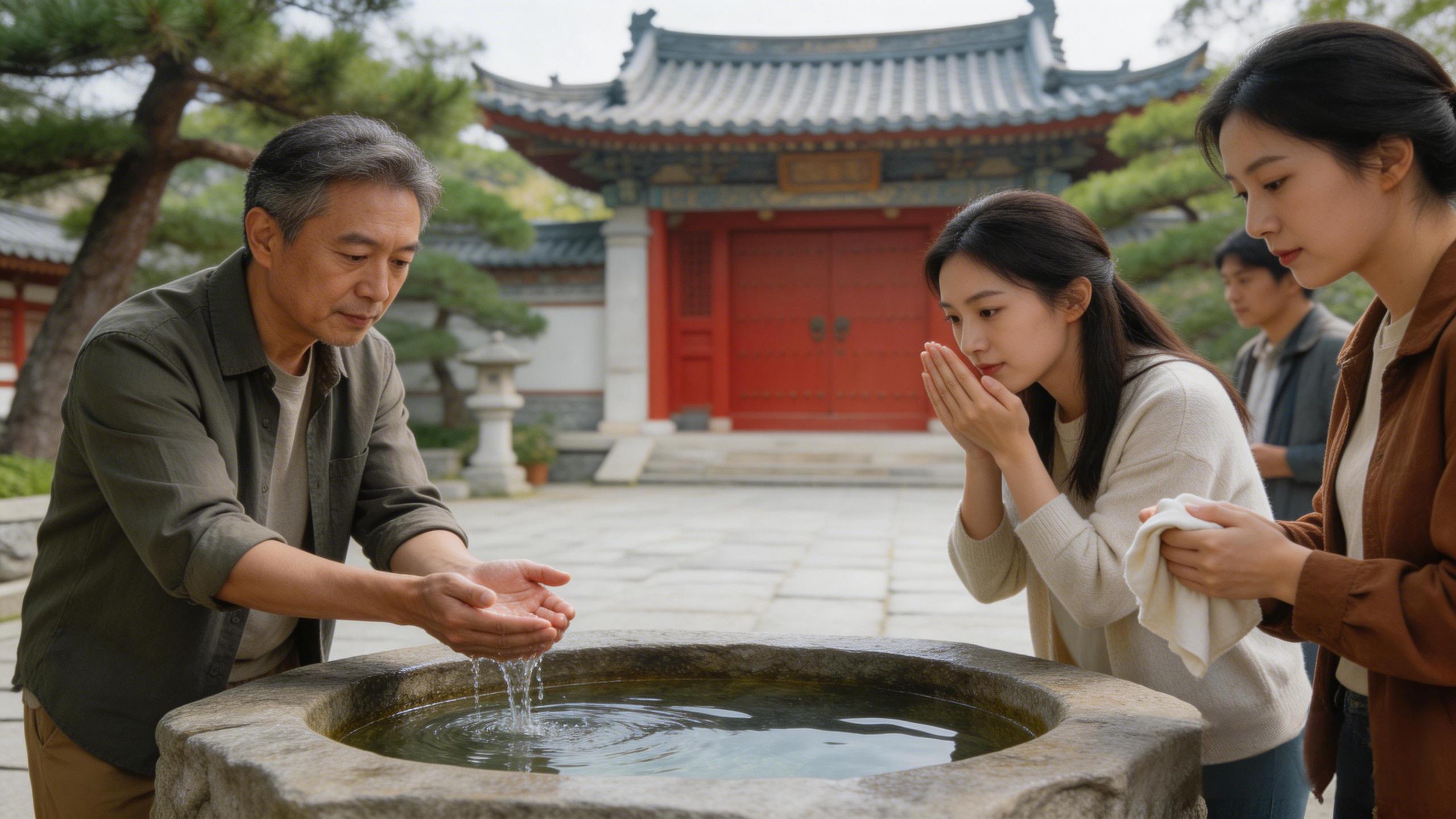
Bathe before visiting to cleanse physical, mental, and verbal defilements. Wash hands before offering incense. Use the left hand to place incense, ensuring it stands straight and not "inserted." Women should avoid revealing clothing or short skirts, and refrain from heavy makeup. During menstruation, women should voluntarily refrain from entering the temple and offering incense. Those needing supervision should be accompanied by a guardian.