

Three Fans That Deities Use to Transform the World
The fan, in Chinese culture, is far more than a tool for cooling. It serves as a ritual object, a symbol of scholarly integrity, and a token of love. Within Daoist tradition, the fan is elevated to a “ritual fan” (Fa Shan) possessing divine power, becoming a treasure held by deities to command the universe and manifest their might. This article details the three most famous magical fans in the Daoist pantheon: Zhongli Quan’s Banana Leaf Fan, Sa Shoujian’s Five-Brightness Demon-Subduing Fan, and Laozi’s Yin-Yang Fan, exploring the myths and cultural significance behind them.
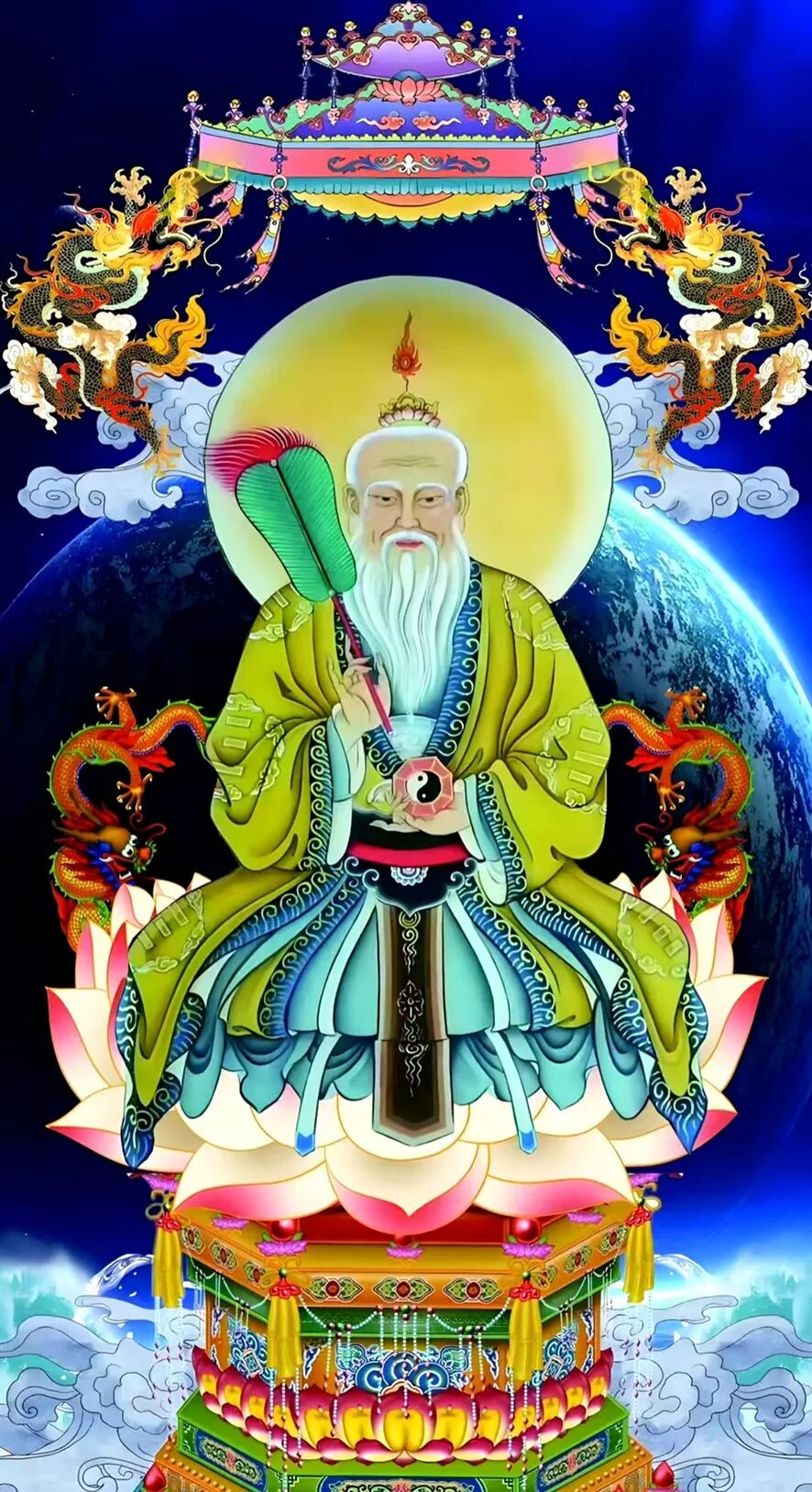
1. Zhongli Quan’s Banana Leaf Fan: Infinitely Transformative, Shrouding Heaven and Earth
-
Holder: One of the Eight Immortals, Patriarch Zhengyang—Zhongli Quan (Han Zhongli).
-
Origin & Iconography: Forged by the Sovereign Donghua from a ten-thousand-year-old banana tree. Zhongli Quan is often depicted with a red face, holding this fan.
-
Powers & Might: This fan possesses vast supernatural abilities: it can “extinguish fire, calm wind, raise water, scatter earth, and turn stone to gold.” It can also change size, shrouding the sun and sky, and rolling up clouds and the moon. It demonstrated its power in myths like “Burning the Dragon Palace.”
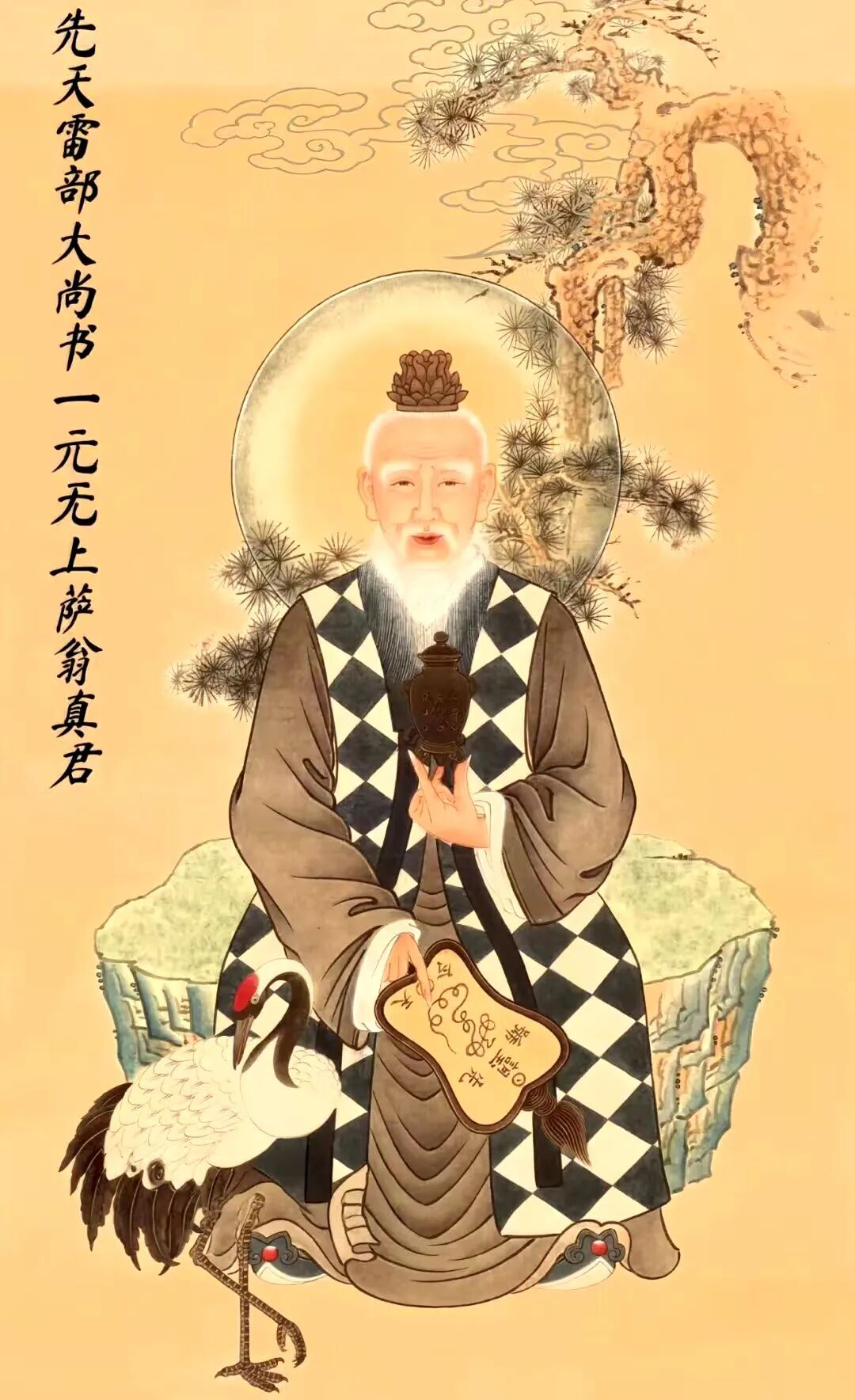
2. Sa Shoujian’s Five-Brightness Demon-Subduing Fan: Expelling Evil, Aiding Good, Reviving the Dead
-
Holder: One of the Four Great Celestial Masters of Daoism, Master Sa Shoujian (Sa Zhenren).
-
Origin & Iconography: A gift from the Shenxiao sect master, Lin Lingsu. Sa Zu is often depicted aiding the world, “clad in patched demon-subduing robes, holding the Five-Brightness Ghost-Fan.”
-
Powers & Might: This fan is a healing treasure; common folk’s illnesses were “cured with one wave.” It possesses strong power to expel evil, support righteousness, and eradicate misfortune, even capable of restoring life to the dead. He later roamed the mortal world with his disciple, Wang Lingguan, to teach and transform beings.
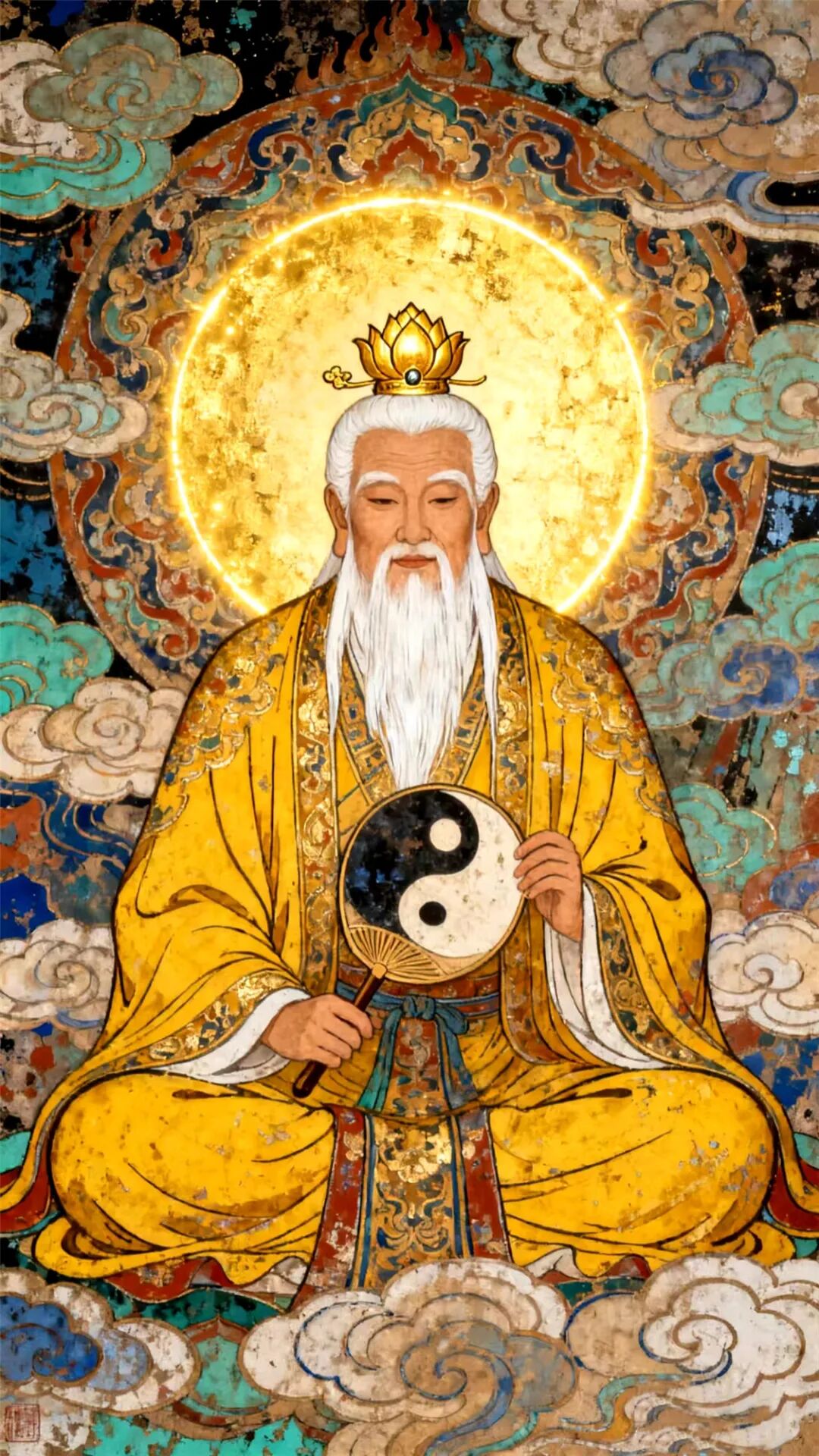
3. Laozi’s Yin-Yang Fan: Mastering Yin and Yang, Symbolizing the Primordial Beginning
-
Holder: One of the “Three Pure Ones,” the supreme deities of Daoism—Lord Daode Tianzun (Laozi, the Supreme Lord Lao).
-
Origin & Iconography: As the embodiment of the “Supreme Dao,” Laozi masters Yin and Yang. His standard iconography features him holding the Yin-Yang Fan, its surface painted with the sun and moon, symbolizing the “Taichu” (Great Beginning) period of creation.
-
Function & Symbolism: This fan symbolizes the supreme divine authority of Laozi and the fundamental belief of Daoism. It represents the origin of the universe (Primordial Qi) and the law of Yin-Yang transformation. It is the concrete manifestation of the “Dao,” holding the highest status.
These three fans transcend ordinary objects; they are the embodiment of Daoist deities’ power, duties, and philosophical thought. Their stories not only showcase rich mythological imagination but also carry the Chinese cultural reverence for natural forces, the pursuit of the ideal to aid the world and save the people, and a profound understanding of the supreme simplicity of the cosmic Dao.