Three Thousand Merits, Eight Hundred Good Deeds: The Hard Metrics of Immortality
The path of Daoist cultivation is not an escape from the world, but an inward revolution and transcendence. The classic tale of “The Ten Tests of Lü Dongbin by Zhongli Quan” is not merely a myth; it is a profound metaphor revealing the core of spiritual practice: the foundation for achieving immortality and mastering the Dao lies not in mysterious arts, but in the ultimate refinement of one’s character and the solid accumulation of meritorious deeds and virtuous actions. This article delves into the deep meanings behind the “Ten Tests” and explores the true essence of “completing one’s merit and virtue.”
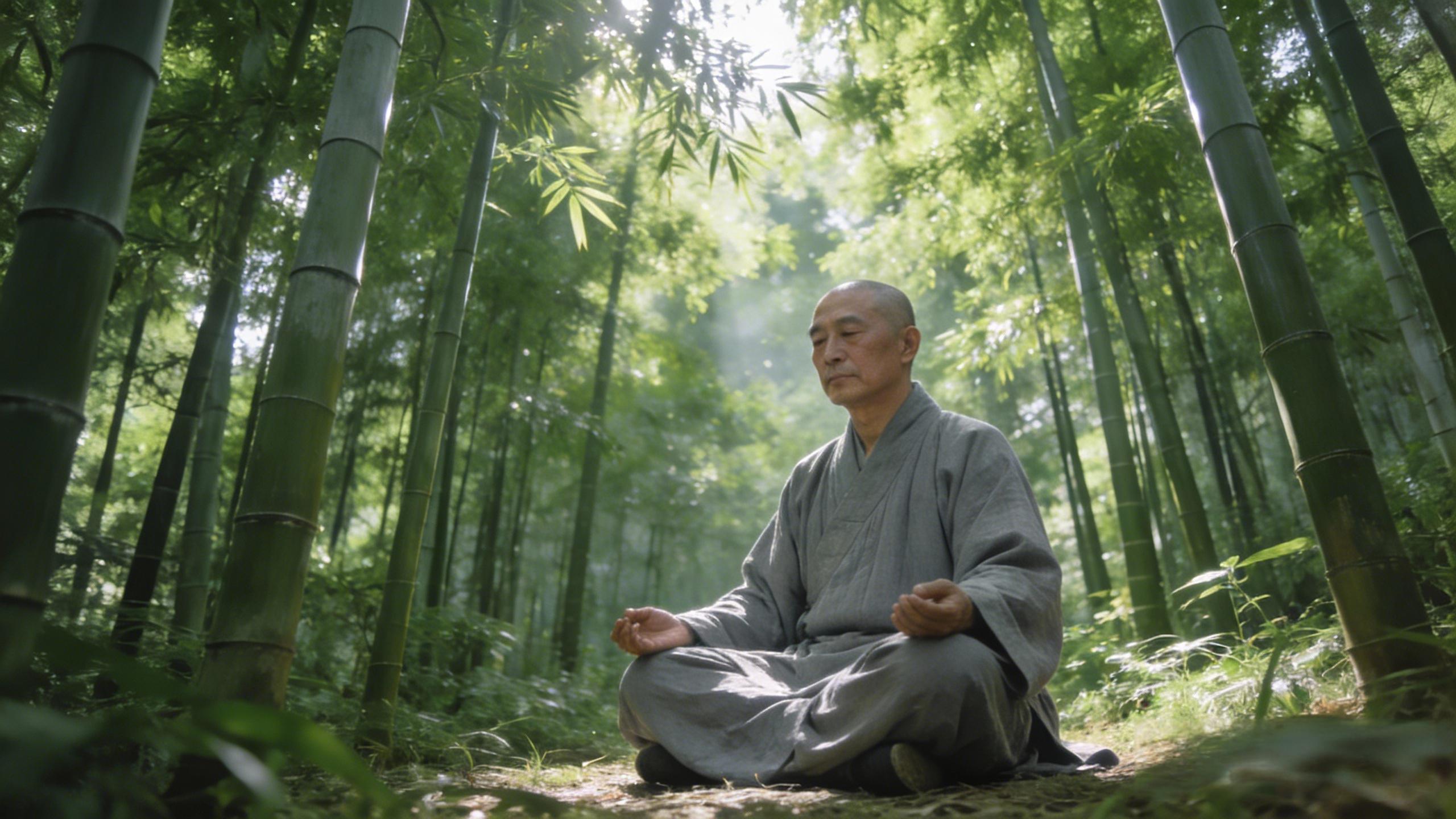
I. The True Meaning of Cultivation: Transcending the Mundane, Resolving Life and Death
The fundamental purpose of entering the Dao and cultivating practice is far from worldly seclusion or enjoying idle blessings. As the ancient masters stated, it is the great undertaking of “stealing the secrets of Yin and Yang, seizing the powers of creation, resolving the matters of life and destiny, and transcending life and death” to “rise above the ordinary and enter sagehood.”
This means the cultivator must possess the resolve to “embrace the Dao even in death,” directing life’s ultimate concern towards the exploration of the Great Dao and the truth of life. The true starting point of cultivation is a pure initial aspiration and a lofty aim, willing to endure countless trials for it.

II. The Revelation of the “Ten Tests”: Ten Major Barriers in Refining Character
Zhongli Quan’s ten tests for Lü Dongbin systematically tempered the core character of a cultivator:
-
Seeing Through Attachment to Life, Death, and Family (Family dies and revives): Tests attachment to worldly love.
-
Letting Go of Gain and Loss in Wealth (Buyer reneges on payment): Breaks fixation on profit and calculation.
-
Enduring Humility to Dissolve Resentment (Beggar insults unreasonably): Subdues arrogance and anger.
-
Fearless Self-Sacrifice to Protect Life (Offers himself to tiger to save sheep): Evokes compassion and fearless courage.
-
Immovability Against Sexual Desire (Woman seduces at night): Forges a heart still as water, achieving concentration.
-
Indifference to Unexpected Wealth (Buries uncovered gold untouched): Maintains purity free from greed and covetousness.
-
Adhering to Honesty and Duty (Returns mistakenly acquired gold vessels): Demonstrates an upright and honorable character.
-
Profound Faith in Causality and the Daoist Heart (Buys “lethal” Daoist medicine): Reflects unwavering commitment to the path.
-
Fearlessness in the Face of Life-and-Death Storms (Remains calm in raging river): Shows transcendence over the illusion of life and death.
-
Willingness to Bear Karmic Consequences (Agrees to repay “past life” debt): Reaches the supreme state of selfless responsibility.
These ten tests are, in essence, the process of stripping away all worldly defilements such as “wine, sex, wealth, anger, right and wrong, self and others, selfishness, and evil intentions.”
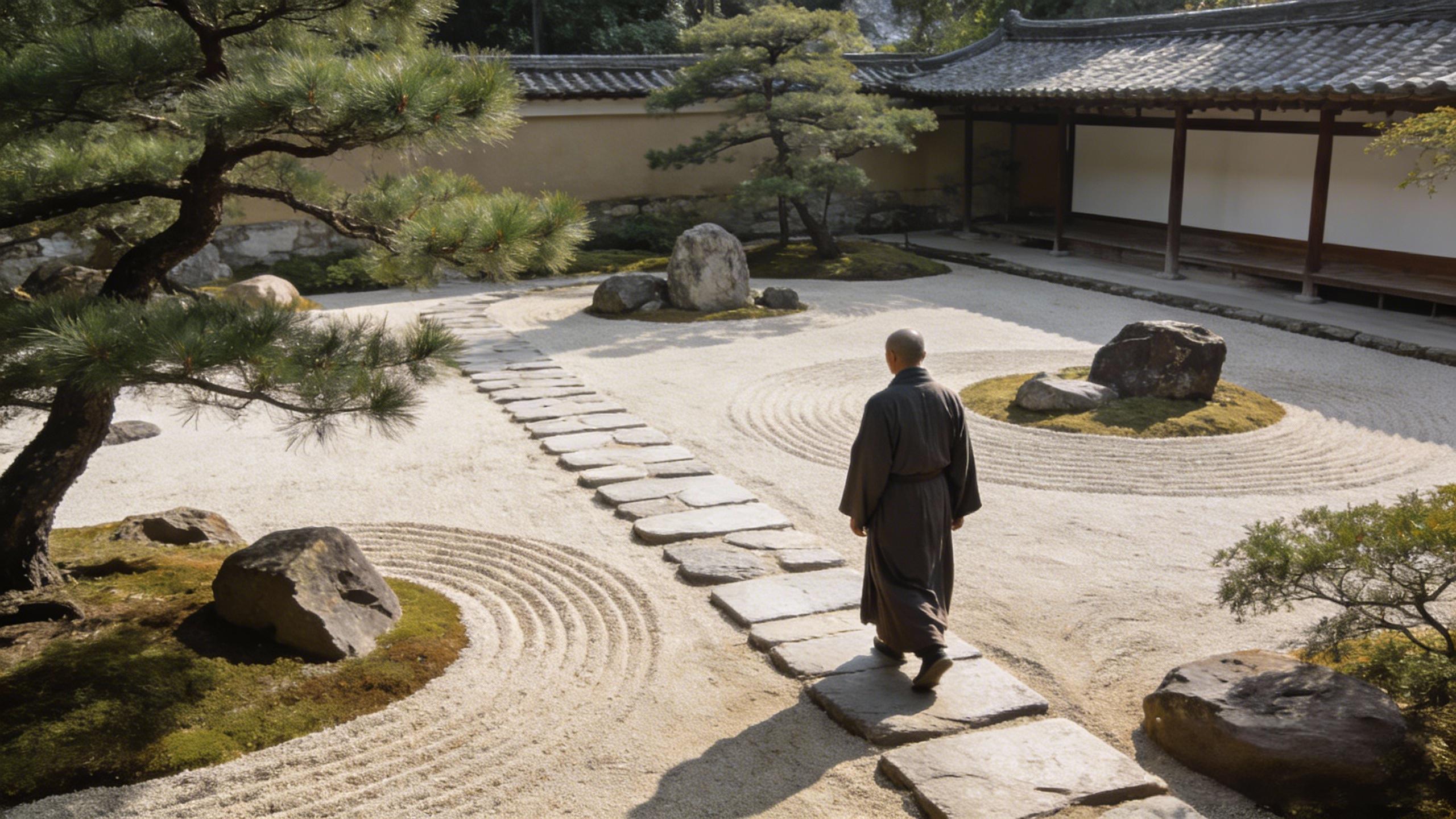
III. The Essence of Completing Merit and Virtue: The Natural Accumulation of Altruistic Good Deeds
After passing the ten tests, Zhongli Quan did not immediately transmit the great elixir method. Instead, he pointed out: “When your three thousand merits are complete and eight hundred good deeds are fulfilled, I will return to guide you to immortality!” He then taught the method of turning iron to gold to aid the world. Lü Dongbin refused out of concern that the art might harm future generations—this single thought revealed great goodness. This illustrates:
-
Merit is the Foundation: The sublime state of inner character (internal achievement) must be externalized into tangible good deeds that benefit others (external practice) to form the complete resources for cultivation.
-
Good Deeds Spring from the Heart: True virtuous actions are not transactions; like Lü Dongbin’s refusal, they arise from pure, untainted compassion and foresight.
-
Completion Lies in the Process: “Three thousand” and “eight hundred” are not rigid numbers but symbolize the sustained and continuous process, over a long time, of integrating cultivation into daily life—constantly refining the heart and performing good deeds until heart and action become one, impeccable.
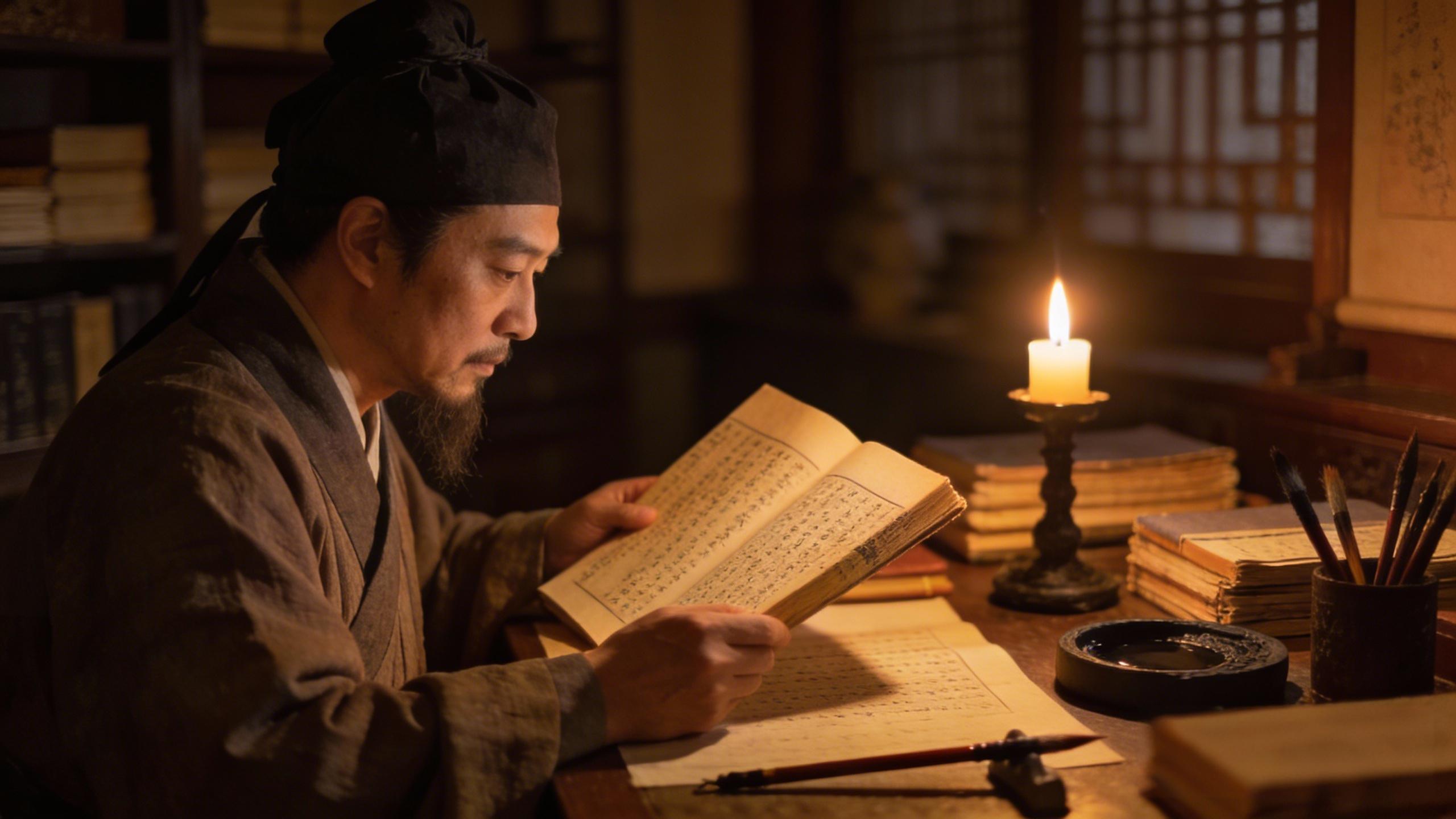
The legend of cultivating the Dao to attain immortality points to a path of achieving life’s ultimate transformation and sublimation through extreme self-discipline, character refinement, and boundless altruism. It reminds us that the highest accomplishment begins with the most simple perseverance: cultivating a good heart and performing every good deed well.