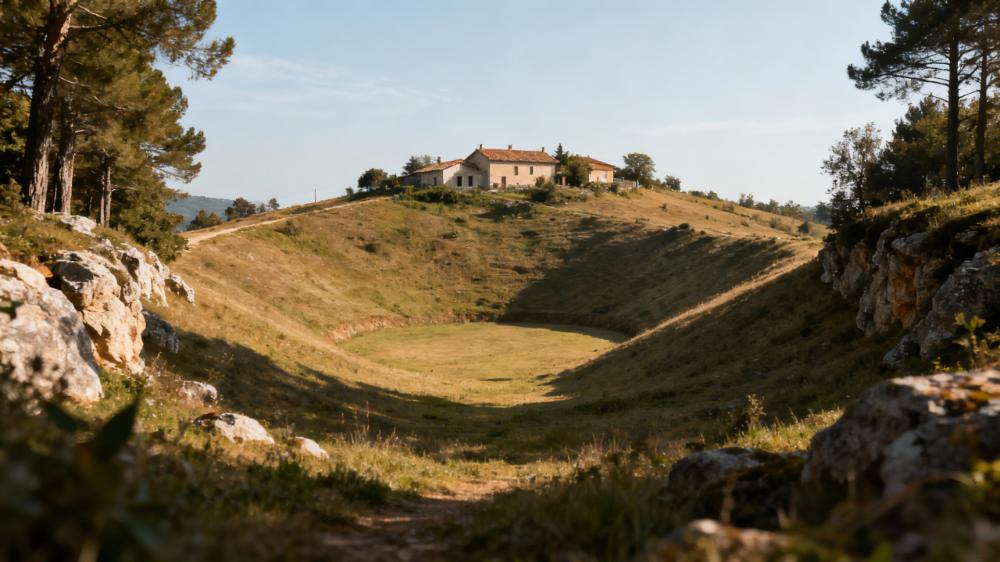
What Feng Shui Characteristics Lead to Childlessness and DINK Families?
In modern society, DINK (Double Income No Kids) families are becoming more common, but many may not realize that Feng Shui factors play a significant role. According to traditional Feng Shui theory, the "vital energy" (Sheng Qi) and "dead energy" (Si Qi) in the environment directly affect a family's fertility and marital relationships. Based on the "Life and Death Chapter" from the ancient text "Fa Wei Lun," this article analyzes the Feng Shui characteristics that contribute to DINK tendencies, helping readers identify and avoid these unfavorable layouts.
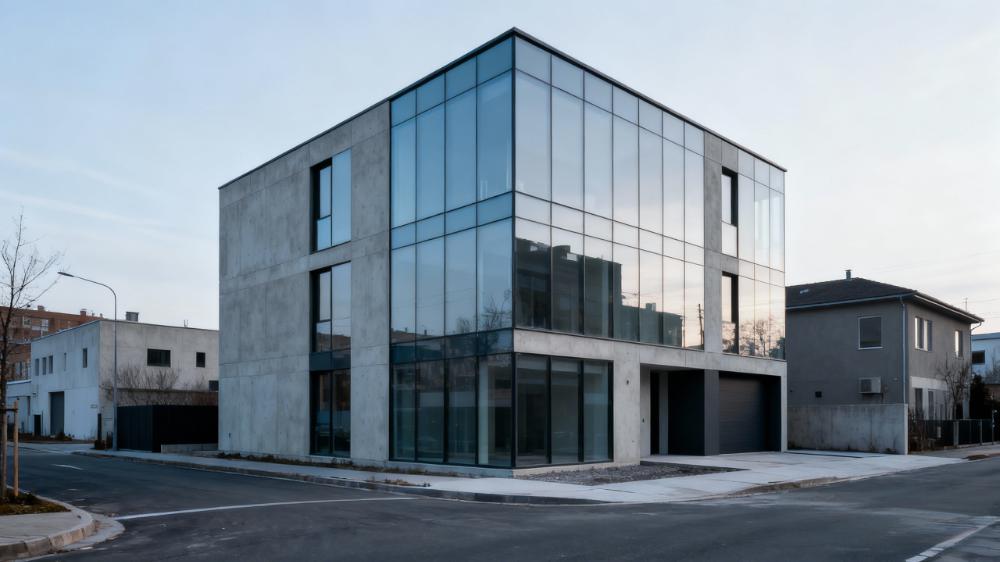
1. Core Differences Between Dead Energy and Vital Energy
-
Dead Energy: Refers to environments that are qi-less, rough, rigid, or have straight dragon veins, leading to scattered energy fields, lack of family vitality, marital discord, and fertility issues.
-
Vital Energy: Refers to environments with active, flexible, and lingering qi, promoting yin-yang harmony, prosperous offspring, and harmonious relationships.
-
Practical Application: When selecting sites for homes or graves, prioritize vital energy areas and avoid dead energy accumulation, such as rigid dragon veins or wind-scattered qi locations.

2. Specific Feng Shui Characteristics Linked to DINK
-
Rigid Dragon Veins: If the dragon vein lacks flexibility and residual qi, it symbolizes blocked family development, easily leading to infertility or the choice of a DINK lifestyle.
-
Reverse Bow Terrain: A reverse bow-shaped water flow or road in front of the house dissipates the energy field, viewed as a symbol of infertility from both visual and traditional Chinese medicine perspectives.
-
Absence of Lip Stars or Official Stars: The lack of these qi-stopping elements prevents dragon qi from gathering, making it difficult for families to continue their lineage.
-
Case Examples: The residential cases mentioned in the document, situated on dead energy dragon veins with reverse bow fronts and no residual qi, result in descendants choosing DINK, reflecting the deep impact of Feng Shui on personal decisions.
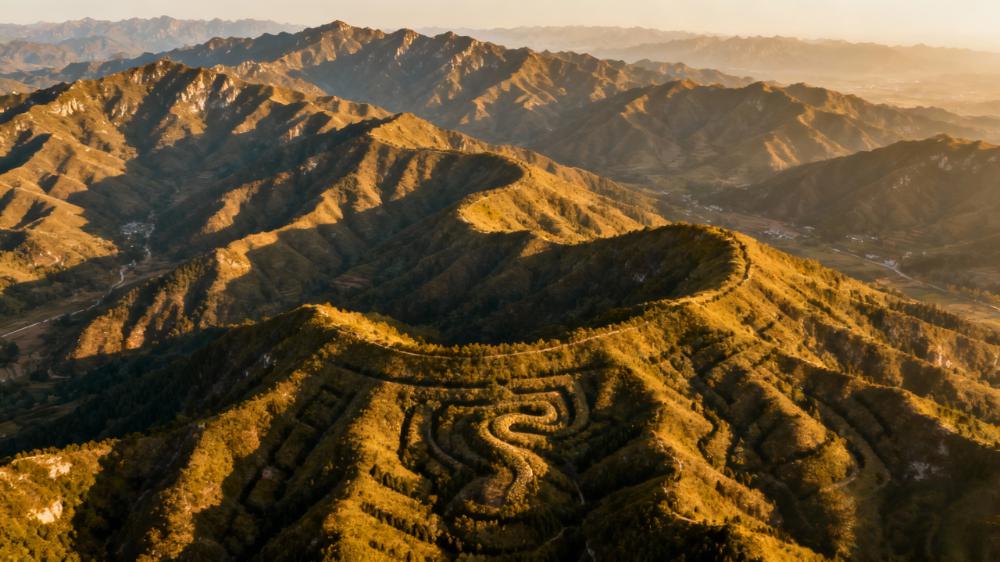
3. Feng Shui Adjustments and Life Recommendations
-
Identifying Vital Energy Sites: In mountainous areas, look for terrain with backing dragon veins, left-right protection, and front official stars; in flatlands, focus on water convergence points.
-
Avoiding Dead Energy Layouts: Stay away from reverse bow, straight dragon veins, and open, exposed areas; adjust energy fields through plants or structures.
-
Practical Significance: For families with limited resources, understanding Feng Shui can help make wiser life choices and reduce unnecessary stress.
In summary, Feng Shui is not superstition but an art of interaction between environment and people. By optimizing living environments, families can enhance cohesion and avoid the negative effects of DINK trends.