

Why is Taoism Viewed as the "Cultural Soul" of China Abroad?
Taoism is not merely a religion; it is the crystallization of Chinese philosophy, culture, and wisdom for living. As China's only indigenous religion, it has profoundly shaped the spiritual world of the Chinese nation. This article delves into the core ideas, historical context, and reasons why Taoism is internationally regarded as a representative of Chinese culture.
I. The Philosophical Foundation of Taoism: A Cosmology Beyond Religion
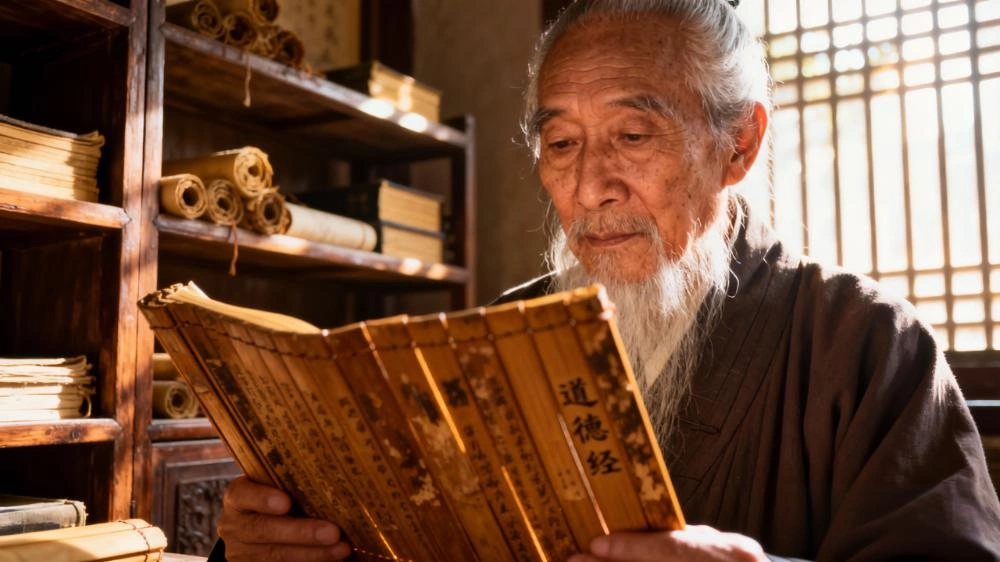
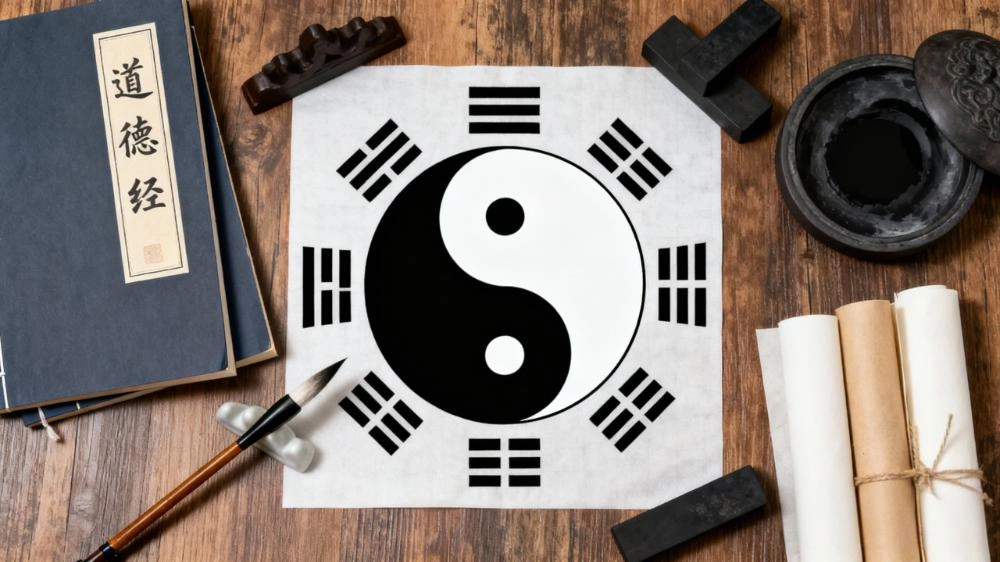
The core classic "Tao Te Ching," though only five thousand characters, constructs a complete cosmology and philosophy of life. "Tao" is both the origin of all things and the principle of their operation. This thinking transcends mere deity worship, becoming a philosophical system for interpreting the world and guiding life.
-
The Universality of "Tao": The concept of "Tao" is abstract and profound, connecting with natural laws (the Tao of Heaven) and social principles (the Tao of Humanity), making it accessible to people from different cultural backgrounds.
-
The Wisdom of "Wu Wei" (Non-Action): Advocating for following nature and embracing quiet inaction, this philosophy of governance and living is particularly valuable in today's complex world, attracting overseas scholars seeking inner peace and harmony with nature.
II. Historical Continuity: Indigeneity and Endurance
Taoism originated from the thoughts of the Yellow Emperor and Laozi, formed organized religions in the Han Dynasty, and experienced reverence and development through the Tang, Song, Yuan, and Ming dynasties, deeply embedded in China's historical process.
-
Purely Indigenous Origin: Taoism was born entirely from the soil of Chinese culture without direct influence from foreign religions, making it the best specimen for studying pure Chinese thought.
-
Intertwined with Dynastic Cycles: From being honored as the state religion in the Tang Dynasty to Qiu Chuji's "stopping killing with one word," and its deep integration into folk society in the Ming Dynasty, Taoist history is closely linked to China's political and social changes, serving as a living fossil of its cultural continuity.

III. Cultural Permeation: Ubiquitous Influence
As Lu Xun said, "China's root is entirely in Taoism." Taoist influence has long transcended temple rituals, permeating all aspects of Chinese life.
-
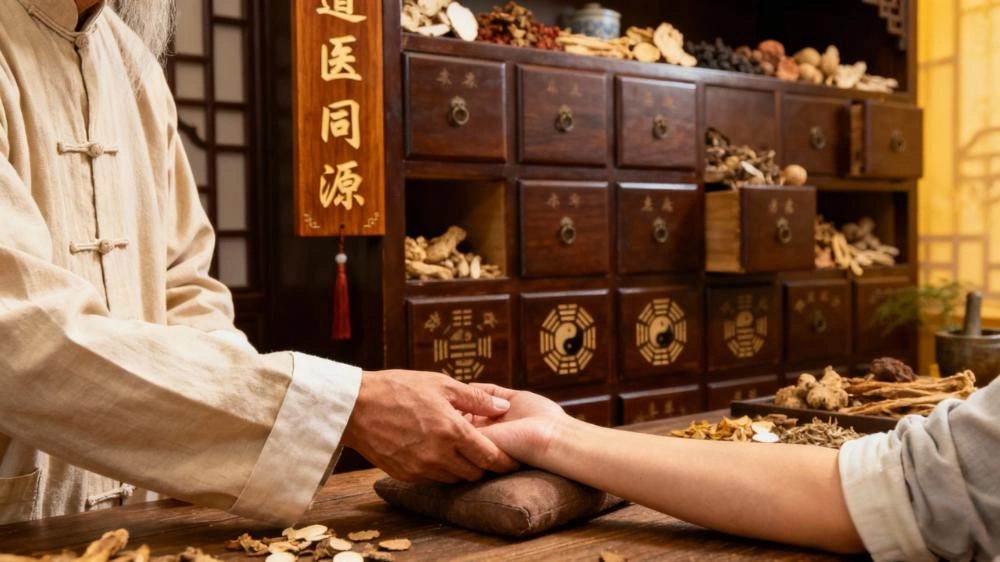
Inspiration for Art and Science: Taoism has had an indelible impact on health preservation, medicine, chemistry (alchemy), literature, painting, architecture, and even martial arts.
-
The Backdrop of Folk Beliefs: Beliefs in City Gods, Earth Gods, Kitchen Gods, and customs like Feng Shui and fortune-telling largely stem from the Taoist cultural system at their conceptual core.
IV. The International Perspective: Recognized as a "Cultural Identifier"
In the eyes of overseas sinologists and cultural observers, Taoism is often seen as key to understanding China.
-
Philosophical Appeal: Its profound philosophical ideas offer a different paradigm for Western philosophy, resonating with contemporary environmentalism and simple living concept.
-
Cultural Representativeness: As a unique system complementary to Confucianism and coexisting with Buddhism, Taoism best embodies the inclusive, dialectical, and nature-revering characteristics of Chinese culture. Joseph Needham's statement that the "roots" of the great tree of Chinese culture are in Taoism captures this precisely.
Conclusion
Daoism is not only a religious faith but also a living heritage of Chinese culture. Its international recognition stems from its profound cultural foundation and philosophical value. We should cherish this cultural legacy, inherit its wisdom with an open and rational attitude, and help the world understand the true, multifaceted China more fully.